India-Pak T20 WC 2026 Boycott Row: Pak's 'Last Resort' Move Revealed
A significant diplomatic and cricketing standoff is escalating ahead of the T20 World Cup 2026, as the Pakistan Cricket Board (PCB) reportedly considers a drastic "last resort" move concerning its scheduled match against India. This potential boycott stems from ongoing political tensions and unresolved bilateral cricketing issues between the two nations, raising concerns about severe penalties from the International Cricket Council (ICC). The controversy threatens to cast a shadow over the marquee global event, which is set to be co-hosted by India and Sri Lanka.
Background: A Decades-Old Rivalry Mired in Politics
The cricketing rivalry between India and Pakistan is one of the most intense and historically significant in global sport. More than just a game, matches between the two nations often carry immense geopolitical weight, reflecting the complex relationship between the neighbouring countries. This rivalry, however, has been severely curtailed by political tensions over the past decade, leading to a near-complete cessation of bilateral cricketing ties.
The last bilateral Test series between India and Pakistan took place in 2007. Limited-overs bilateral series have also become a rarity, with the last such encounter dating back to 2012-13. Since then, the two cricketing giants have only faced each other in multi-nation tournaments organised by the ICC, such as the T20 World Cup and the 50-over World Cup, and in the Asia Cup, hosted by the Asian Cricket Council (ACC).
The Asia Cup 2023 Precedent
The seeds of the current standoff were firmly sown during the lead-up to the Asia Cup 2023. Pakistan was originally slated to host the entire tournament. However, the Board of Control for Cricket in India (BCCI) categorically stated that the Indian team would not travel to Pakistan due to security concerns, a stance consistently maintained by the Indian government.
This refusal led to a protracted dispute. The PCB, under then-chairman Najam Sethi, proposed a "hybrid model" where Pakistan would host four matches, and the remaining nine, including all of India's matches and the final, would be played in Sri Lanka. After considerable deliberation and pressure from the ACC, this model was eventually adopted, allowing the tournament to proceed.
The PCB, while agreeing to the hybrid model, viewed it as a significant concession and indicated that future decisions regarding India's participation in tournaments hosted by Pakistan would be influenced by this precedent. This arrangement set a clear expectation for reciprocity, or at least a framework for dealing with similar situations in the future.
Champions Trophy 2025 and T20 World Cup 2026
The immediate flashpoint following the Asia Cup 2023 saga is the ICC Champions Trophy 2025, which Pakistan is scheduled to host entirely. Given India's consistent position on not travelling to Pakistan, there is widespread anticipation that the BCCI will once again refuse to send its team. This forms the crux of Pakistan's current strategic thinking regarding the T20 World Cup 2026.
The T20 World Cup 2026 is slated to be co-hosted by India and Sri Lanka. Under the standard ICC hosting agreements, India would be expected to host its own matches, including the highly lucrative and anticipated clash against Pakistan. The PCB's current 'last resort' move is a direct response to the perceived imbalance and lack of reciprocity in these hosting arrangements.
The financial stakes for India-Pakistan matches are astronomical. They consistently draw record viewership and generate massive advertising revenue, making them indispensable for global cricketing events. The absence of such a fixture would represent a significant commercial blow to the ICC, broadcasters, and sponsors.
Key Developments: Pakistan’s ‘Last Resort’ and ICC’s Dilemma
Recent reports indicate that the Pakistan Cricket Board is actively considering a boycott of its T20 World Cup 2026 match against India. This move is being termed a "last resort," signalling the PCB's frustration with the ongoing impasse and its desire to enforce a level playing field in international cricket hosting duties.
The Reciprocity Demand
At the heart of Pakistan's stance is the principle of reciprocity. PCB officials argue that if India refuses to travel to Pakistan for the Champions Trophy 2025, then Pakistan should not be compelled to travel to India for their T20 World Cup 2026 match. They contend that a neutral venue arrangement, similar to what was implemented for the Asia Cup 2023, should be a prerequisite for the India-Pakistan encounter in 2026 if India does not tour Pakistan in 2025.
This position is not merely a retaliatory measure but is framed as a matter of national dignity and equitable treatment among ICC member nations. The PCB believes that allowing India to unilaterally dictate terms regarding travel to Pakistan, while expecting Pakistan to comply with all hosting arrangements in India, creates an unfair and unsustainable dynamic.
ICC’s Stance and Potential Sanctions
The International Cricket Council (ICC) finds itself in a precarious position. As the global governing body, it is responsible for ensuring the smooth conduct of its tournaments and upholding the integrity of the sport. Any withdrawal or boycott by a member nation from an ICC event is viewed with extreme seriousness and typically incurs severe penalties.
ICC regulations stipulate that participating teams are obligated to fulfil all their fixtures. A unilateral boycott could lead to substantial financial fines, deduction of points (if applicable), and in extreme cases, even temporary suspension from ICC events or a cut in revenue share. The ICC's primary objective will be to prevent such a scenario, likely initiating back-channel negotiations and mediation efforts between the PCB and BCCI.
While no official statements have been released by the ICC regarding specific actions, the body is understood to be monitoring the situation closely. Its challenge lies in navigating the political sensitivities while upholding its own rules and ensuring the commercial viability of its premier tournaments.
Government Influence and BCCI’s Position
The BCCI's stance on not travelling to Pakistan is consistently aligned with directives from the Indian government, citing security concerns and cross-border tensions. This position is unlikely to change in the near future, particularly concerning the Champions Trophy 2025. The Indian government has maintained that bilateral sporting ties cannot proceed normally amidst ongoing political issues.
Conversely, the PCB's position often enjoys the backing of the Pakistani government, which views cricketing decisions through a broader diplomatic lens. This governmental influence on cricketing boards complicates any potential resolution, as decisions are often made beyond the purview of pure sporting considerations.
The 'last resort' threat by Pakistan could be interpreted as a strong bargaining chip, aimed at compelling the ICC to find a mutually acceptable solution, possibly involving a neutral venue for all India-Pakistan matches in global tournaments, irrespective of the designated host nation.
Impact: Far-Reaching Consequences for Cricket
The potential boycott of an India-Pakistan match in an ICC World Cup would send shockwaves through the cricketing world, impacting multiple stakeholders financially, reputationally, and emotionally.
Impact on the ICC
For the ICC, a boycott would represent a significant blow to its authority and the integrity of its flagship event. The loss of the most commercially valuable match would lead to substantial revenue shortfalls from broadcast rights, sponsorship deals, and ticketing. It would also set a dangerous precedent, potentially encouraging other nations to use similar tactics for political leverage, thereby undermining the global structure of cricket.
Impact on PCB
While the PCB's stance is rooted in principle, the financial and sporting consequences of a boycott could be severe. Heavy fines from the ICC, potential loss of prize money, and even a temporary ban from future ICC events are real possibilities. Such sanctions could cripple the PCB financially and isolate Pakistan from the international cricketing community, despite the strong support from its own government and public for standing firm.
Impact on BCCI and Host Nations
The BCCI would also face commercial repercussions, albeit less severe than the PCB. The absence of an India-Pakistan match in India would mean a considerable loss of revenue from ticket sales, hospitality packages, and local sponsorship. While India is a massive market, the unique appeal and demand for this particular fixture are unparalleled. For co-host Sri Lanka, the impact might be indirect but could affect the overall buzz and success of the tournament.
Impact on Broadcasters and Sponsors
Broadcasters pay astronomical sums for the rights to ICC tournaments, largely driven by the guaranteed high viewership of India-Pakistan encounters. A boycott would force renegotiations of contracts, leading to significant financial losses for broadcasters and a devaluation of advertising slots. Sponsors, who invest heavily to associate with these marquee events, would see a drastic reduction in their expected reach and brand exposure, potentially leading to future reluctance to invest.
Impact on Players and Fans
For players, the opportunity to compete in an India-Pakistan World Cup match is a career highlight, offering unparalleled pressure and exposure. A boycott would deny them this unique experience and the chance to perform on the biggest stage. Most profoundly, fans on both sides of the border, and indeed across the globe, would be deprived of the most anticipated contest in cricket. The emotional investment in this rivalry is immense, and its absence would lead to widespread disappointment and frustration, diminishing the overall appeal of the tournament.
What Next: Diplomacy, Deadlines, and Potential Outcomes
The current standoff requires immediate and sustained diplomatic efforts from all parties to avert a full-blown crisis ahead of the T20 World Cup 2026. Several key milestones and potential outcomes lie ahead.
Champions Trophy 2025 as the Litmus Test
The most immediate and critical determinant for the T20 World Cup 2026 situation will be the resolution of the Champions Trophy 2025 hosting arrangements. If India confirms its refusal to travel to Pakistan for the CT 2025, and a hybrid model or neutral venue solution is once again imposed for that tournament, it will significantly strengthen the PCB's resolve to demand similar concessions for the T20 World Cup 2026 match against India.
Conversely, any unexpected breakthrough that sees India agree to travel to Pakistan for the Champions Trophy would likely defuse the current boycott threat for 2026. However, given the consistent stance of the Indian government, this scenario appears highly improbable.
ICC Mediation and Negotiations
The ICC will undoubtedly play a crucial role in attempting to mediate a resolution. High-level meetings between ICC officials, the PCB, and the BCCI are expected to take place in the coming months. These discussions will likely explore various options, including the possibility of designating a permanent neutral venue for all India-Pakistan matches in multi-nation tournaments, regardless of the official host nation.
The ICC's challenge will be to find a solution that respects the sovereignty and security concerns of member boards, upholds the principle of fair play, and ensures the commercial success of its events, all while avoiding direct political interference.
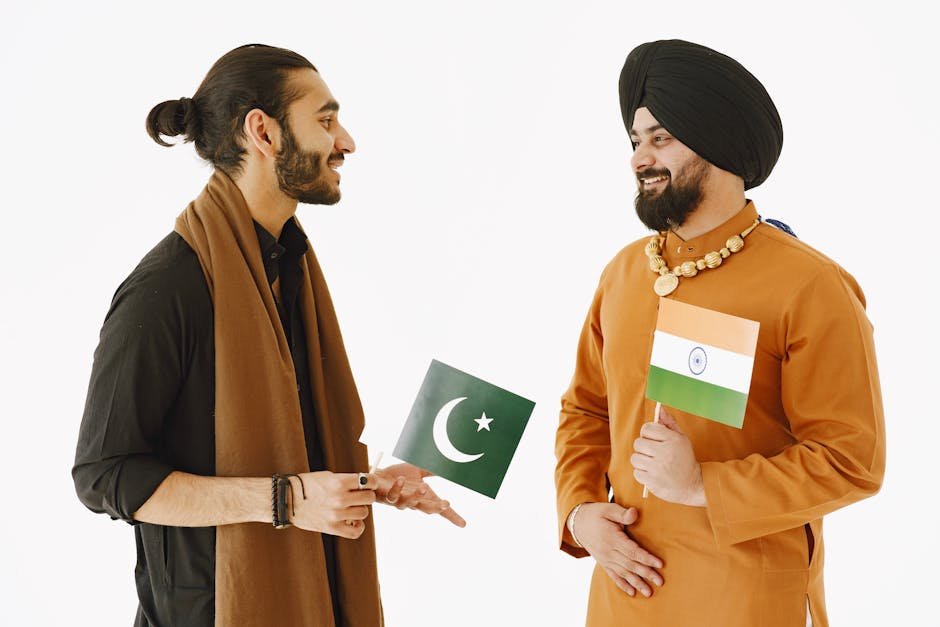
Potential Outcomes
Compromise Solution: The most desirable outcome would be a negotiated settlement, possibly involving a mutually agreed-upon neutral venue for the India-Pakistan match in the T20 World Cup 2026. This would allow the fixture to proceed, preserving its commercial value and satisfying fan demand, while addressing Pakistan's concerns about reciprocity.
Pakistan Boycotts: If no compromise is reached and the PCB goes through with its "last resort" move, Pakistan would boycott the match against India. This would lead to severe ICC sanctions, including heavy fines and potential suspension, and would undoubtedly damage Pakistan's standing in international cricket.
Forced Participation: Under immense pressure from the ICC and the threat of severe sanctions, the PCB might eventually retract its boycott threat and agree to play in India. This would be a reluctant participation, likely accompanied by strong protests from the Pakistani cricketing fraternity and public.
Long-Term Implications
Regardless of the immediate outcome, this ongoing row highlights the fragile state of India-Pakistan cricketing relations and the pervasive influence of politics on sport in the region. A sustainable solution requires not just a temporary fix for one tournament but a broader framework that addresses the underlying issues of bilateral tours and neutral venues. The manner in which this crisis is resolved will have lasting implications for the future of one of cricket's most iconic rivalries and the ICC's ability to govern the sport globally.