Apple has officially announced the dates for its annual Worldwide Developers Conference (WWDC) 2026, setting the stage for major unveilings in software and artificial intelligence. The event, expected to take place from June 8 to June 12, 2026, will likely introduce iOS 27 alongside significant advancements in AI technologies, continuing Apple's tradition of innovation from its Cupertino, California headquarters. Developers globally anticipate a week of deep dives into new frameworks, operating system updates, and the future direction of Apple's ecosystem.
Background and Contextual Timeline
The Worldwide Developers Conference has been a cornerstone of Apple's annual calendar for decades, serving as the primary platform for showcasing its latest software and technologies to the global developer community. Originating in the late 1980s as a series of technical seminars, WWDC has evolved dramatically, transforming into a high-profile event that often precedes major product launches and sets the trajectory for the company's ecosystem for the coming year.
Historically, WWDC was an in-person gathering at venues like the San Jose Convention Center and Moscone Center in San Francisco, attracting thousands of developers eager for hands-on labs and direct engagement with Apple engineers. The onset of the global pandemic in 2020 necessitated a pivot to an entirely online format, a change that significantly broadened accessibility. This digital transformation allowed millions of developers worldwide to participate remotely, accessing keynotes, State of the Union presentations, and hundreds of engineering sessions without geographical barriers. While Apple has since integrated some in-person elements, such as special viewing events at Apple Park, the hybrid model has become a staple, combining global digital reach with exclusive on-campus experiences.
The cadence of iOS releases has been remarkably consistent, with a new major version debuting annually at WWDC since the iPhone's inception. Each iteration has built upon its predecessor, introducing new user interface paradigms, enhanced functionalities, and deeper system integrations. iOS 17, released in 2023, focused on personalization and communication enhancements. iOS 18 brought refinements to spatial computing integration, preparing for Vision Pro's broader adoption. iOS 19 further optimized cross-device continuity and introduced advanced privacy dashboards. Subsequent versions, iOS 20 through iOS 26, incrementally enhanced performance, security, and user experience, with particular emphasis on augmented reality capabilities, advanced health tracking features, and more sophisticated on-device machine learning for tasks like image recognition and predictive text. These incremental yet significant updates have consistently raised the bar for mobile operating systems, shaping user expectations and driving industry trends.
Apple's journey into artificial intelligence is not new, though its public emphasis has grown significantly in recent years. Siri, introduced in 2011, marked Apple's initial foray into mainstream voice assistants. Over the years, AI and machine learning have been woven into the fabric of iOS and macOS, powering features ranging from Face ID and computational photography to intelligent suggestions in apps like Photos, Mail, and Safari. The integration of Neural Engine technology in Apple's custom silicon, starting with the A11 Bionic chip in 2017, dramatically accelerated on-device AI processing. This hardware-software synergy has enabled privacy-preserving machine learning, allowing complex AI tasks to be performed locally on the device without sending user data to the cloud. This foundational work in on-device AI, coupled with a steadfast commitment to user privacy, positions Apple uniquely as it prepares to unveil more advanced AI innovations.
Key Developments Anticipated
WWDC 2026 is poised to be a pivotal event, with the dates confirmed for June 8-12, 2026. The conference is expected to maintain its successful hybrid format, offering a comprehensive digital experience for millions of developers globally while hosting select in-person activities at Apple Park in Cupertino, California. This blend ensures maximum accessibility alongside exclusive opportunities for engagement with Apple's engineering teams. The keynote address, traditionally held on the first day, will outline the strategic direction and major announcements, with subsequent State of the Union presentations and hundreds of technical sessions delving into specifics.
Anticipated iOS 27 Features
The unveiling of iOS 27 is expected to be a highlight, bringing a new generation of features that will likely redefine the user experience on iPhone and iPad. A primary focus is anticipated to be the deeper integration of artificial intelligence across the entire operating system, moving beyond discrete features to a more pervasive, intelligent environment.
System-Wide AI Integration: iOS 27 is expected to introduce a new layer of AI that proactively assists users across various applications and system functions. This could manifest as intelligent task automation, where the system learns user habits and offers to complete multi-step actions, such as automatically generating a meeting summary after a call or drafting contextually relevant email responses. Personalized experiences will extend to dynamic home screen layouts that adapt based on time of day, location, or current activities, presenting the most relevant apps and widgets without manual intervention.
* Enhanced Privacy Controls with AI: Apple's long-standing commitment to privacy is anticipated to be strengthened with new AI-powered controls. iOS 27 could feature advanced on-device learning models that identify and flag potential privacy risks in real-time, such as suspicious app behaviors or data access patterns, without sending sensitive information to Apple servers. Granular permissions for AI features, allowing users to precisely control which data points are accessible to on-device intelligence, are also likely.
* Refined UI/UX Elements: While major visual overhauls are less common, iOS 27 is expected to bring subtle yet significant refinements to the user interface and experience. This might include more fluid animations, dynamic typography that adapts to content and context, and improved haptic feedback that provides a richer tactile experience across the system. Accessibility features are continuously enhanced, and iOS 27 could introduce AI-driven accessibility tools, such as real-time environmental sound analysis for hearing-impaired users or advanced predictive text input for users with motor impairments.
* Cross-Device Continuity Expansion: The synergy between Apple's devices is a core strength, and iOS 27 is expected to deepen this integration. Seamless handoff experiences could extend to more complex tasks, allowing users to initiate a project on an iPhone, continue editing on a Mac, and present it via an Apple TV or Vision Pro, with AI intelligently preparing the necessary assets and configurations for each device. Enhanced interoperability with watchOS, tvOS, and visionOS will create a more unified and responsive ecosystem.
* Specific App Enhancements: Key native applications are set to receive substantial upgrades. The Photos app could leverage advanced generative AI for photo editing, offering sophisticated object removal, background manipulation, and style transfers with simple commands. Messages might feature AI-generated summaries of long conversations or intelligent scheduling suggestions based on chat content. Mail could implement more advanced spam filtering and smart categorization, while the Health app might use AI to provide personalized wellness insights and proactive health recommendations based on aggregated data.
Groundbreaking AI Innovations
Beyond iOS 27, WWDC 2026 is expected to showcase Apple's broader advancements in artificial intelligence, with a strong emphasis on capabilities that are both powerful and privacy-centric.
Generative AI Capabilities: Apple is anticipated to unveil significant strides in generative AI, bringing features that allow for the creation of text, images, and even code directly on the device. This could empower users to generate custom stickers or emojis, compose entire email drafts from a few keywords, or even assist developers in writing code snippets through intelligent auto-completion and suggestion engines within Xcode. The emphasis will be on on-device processing to maintain user privacy and ensure rapid response times.
* Proactive Intelligence and Contextual Awareness: The next generation of Apple's AI is expected to be more proactive and contextually aware. This means the system will anticipate user needs before they are explicitly stated. For example, based on calendar events, location, and communication patterns, the iPhone might proactively suggest opening a specific app, preparing travel directions, or offering to send a "running late" message. This intelligence will be deeply integrated across the system, learning from user interactions across all Apple devices.
* Siri Overhaul and Natural Language Processing: Siri is widely expected to receive a substantial overhaul, moving beyond its current capabilities to offer more natural language understanding and complex command execution. This could involve multi-turn conversations, where Siri retains context from previous interactions, and the ability to perform more intricate tasks across multiple applications simultaneously. The goal is to make Siri a truly intelligent personal assistant capable of understanding nuanced requests and executing them efficiently and accurately.
* On-Device vs. Cloud AI Strategy: Apple's strategy will continue to emphasize on-device AI for privacy and performance. However, WWDC 2026 may also clarify how Apple plans to leverage cloud AI for tasks requiring vast computational resources or constantly updated information, while maintaining its privacy principles through anonymization and secure enclave technologies. New frameworks for hybrid AI processing, intelligently balancing local and remote computation, could be introduced.
* Developer Tools and Frameworks for AI: A critical component of WWDC is empowering developers. Apple is expected to introduce new APIs and frameworks that allow third-party developers to integrate Apple's advanced AI capabilities into their own applications. This could include access to enhanced machine learning models, new Core ML tools for on-device inference, and frameworks for building privacy-preserving AI features, opening up a new frontier for innovative app development.
Impact Across the Ecosystem
The announcements at WWDC 2026, particularly concerning iOS 27 and the extensive AI innovations, are poised to have a profound impact across various segments of the technology ecosystem.
Impact on Developers
For the global community of developers, WWDC 2026 will present a wealth of new opportunities and challenges. The introduction of new APIs and frameworks for AI integration will open up entirely new categories of applications and features, encouraging innovation in areas such as intelligent automation, personalized content creation, and advanced accessibility tools. Developers will need to invest time in learning these new technologies, adapting their existing applications, and exploring novel ways to leverage on-device intelligence. The potential for creating more powerful, intuitive, and privacy-respecting apps will be immense, potentially leading to a resurgence in app store innovation and new business models centered around AI-enhanced user experiences.
Impact on Consumers
Consumers stand to benefit significantly from the anticipated advancements. iOS 27 will bring a more intelligent, proactive, and personalized experience to their iPhones and iPads. Everyday tasks will become smoother and more efficient, with AI assisting in everything from communication to content organization. The enhanced privacy controls, coupled with powerful on-device AI, will offer users greater peace of mind regarding their personal data. However, these advancements may also accelerate hardware upgrade cycles, as some of the most advanced AI features might require the latest Apple silicon for optimal performance, influencing consumer spending patterns and expectations for device longevity.
Impact on Competitors
The innovations unveiled by Apple at WWDC 2026 will undoubtedly exert pressure on its primary competitors in the mobile and AI space, including Google, Samsung, and Microsoft. Apple's integrated approach, combining proprietary hardware, software, and services with a strong privacy focus, sets a high bar. Competitors will need to respond with their own advancements in AI integration, on-device processing, and privacy safeguards to remain competitive. This could lead to an accelerated pace of innovation across the entire industry, ultimately benefiting consumers through improved technologies and more robust feature sets from all major players. The focus on on-device generative AI, in particular, could challenge cloud-centric AI models.
Impact on Industry Trends
WWDC 2026 is expected to solidify several key industry trends. The emphasis on on-device AI will reinforce the move towards edge computing, where processing power resides closer to the data source, enhancing speed, security, and privacy. The deeper integration of AI into operating systems will likely become a standard expectation, pushing all mobile OS developers to embed intelligence more pervasively. Furthermore, Apple's continued focus on privacy as a core differentiator for its AI features will likely influence broader industry standards and consumer expectations regarding data protection in the age of advanced artificial intelligence. The event will also continue to shape the narrative around spatial computing, further integrating Vision Pro into the broader developer ecosystem.
Economic Impact
The economic ramifications will be substantial. The introduction of new developer tools and AI capabilities will stimulate growth within the app economy, creating new opportunities for startups and independent developers. Increased demand for AI-skilled professionals will likely drive job creation in software development, machine learning engineering, and user experience design. Furthermore, the potential for accelerated hardware upgrade cycles, driven by the desire for the latest AI features, will contribute to Apple's revenue streams and the broader electronics manufacturing sector. The event also indirectly boosts local economies around Apple Park and Cupertino through increased tourism and related services during the in-person components of the conference.
What Comes Next
Following the WWDC 2026 keynote, developers will gain immediate access to the first beta versions of iOS 27 and other operating system updates. This initial phase is critical for developers to begin adapting their applications, testing new features, and providing feedback to Apple. Over the summer months, Apple will release several developer betas, iteratively refining the software based on extensive testing and bug reports.
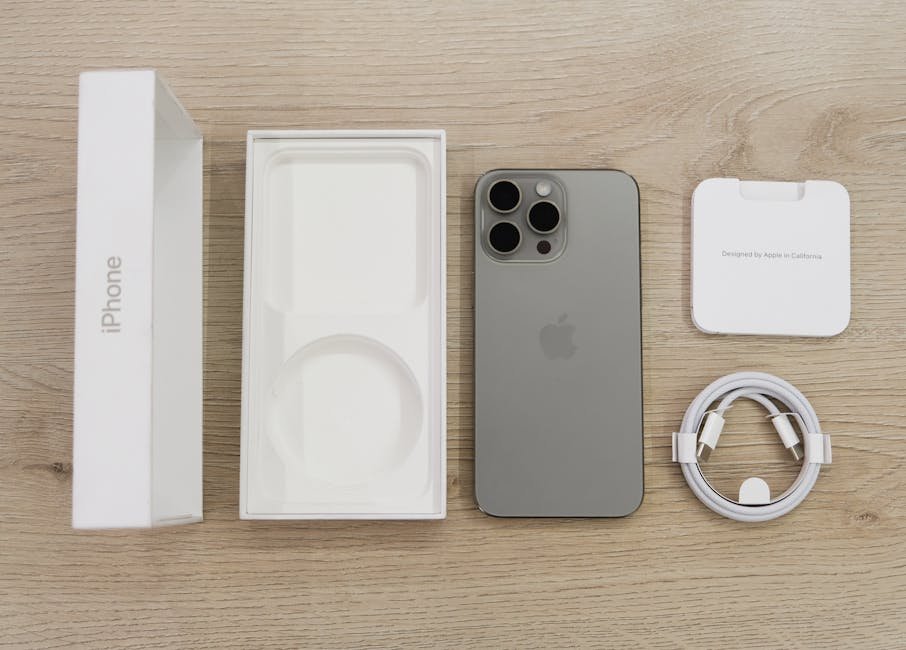
A public beta program for iOS 27 is typically launched a few weeks after the initial developer release, allowing a broader user base to test the upcoming operating system and provide additional feedback. This widespread testing helps Apple identify and address issues before the final release.
The official public release of iOS 27 is traditionally anticipated in the fall of 2026, coinciding with the launch of new iPhone models. At this point, all compatible devices will be able to upgrade to the new operating system, unlocking the full suite of new features and AI innovations. Hardware compatibility will be a key consideration, with older devices potentially losing support for the most advanced AI functions that require the latest Neural Engine capabilities.
Looking further ahead, WWDC 2026 will offer a glimpse into Apple's long-term vision for artificial intelligence. This includes ethical considerations surrounding AI development, Apple's commitment to responsible innovation, and the potential for future hardware requirements to support even more sophisticated on-device AI. The company's strategy will likely continue to balance cutting-edge AI with its core values of privacy, accessibility, and user-centric design. Post-WWDC analysis from industry experts and early developer feedback will provide crucial insights into the immediate reception and future trajectory of Apple's AI and software advancements.