A recent governmental investigation has uncovered widespread syringe reuse at a major hospital in Pakistan's Sindh Province, directly linked to 331 children testing positive for HIV. The alarming discovery has sent shockwaves through the nation, highlighting critical lapses in healthcare safety protocols and regulatory oversight. The findings, released in late 2023, detailed systemic failures within the medical facility, leading to a severe public health crisis in a vulnerable community.
Background: A Brewing Crisis of Trust and Neglect
The roots of this tragic outbreak can be traced back to a confluence of factors endemic to certain regions of Pakistan: inadequate healthcare infrastructure, a proliferation of unqualified medical practitioners, and a pervasive lack of awareness regarding infectious disease transmission. For years, communities in districts like Mirpur Khas, where the affected Al-Shifa General Hospital is located, have grappled with limited access to modern medical facilities, often relying on informal clinics or general practitioners who may operate without proper training or adherence to hygiene standards.
The first whispers of a potential crisis emerged in early 2023, when an unusual cluster of HIV cases was reported among children in the vicinity of Mirpur Khas. Local health officials initially attributed these cases to general community transmission, often linked to parental infection or other social factors. However, as the number of affected children steadily climbed, and with many of the infected infants having no known HIV-positive parents, a more systematic cause began to be suspected. Community activists and concerned parents started drawing attention to the healthcare practices at local clinics and hospitals, particularly the use of injections, which are a common form of treatment in the region.
The Ratodero Precedent and Systemic Issues
This incident is not an isolated one in Pakistan. The country has faced similar, albeit smaller, outbreaks in the past, most notably in Ratodero, Sindh, in 2019, where hundreds of people, including many children, contracted HIV due to unsafe medical practices, primarily the reuse of syringes. The Ratodero incident had prompted calls for sweeping healthcare reforms and stricter enforcement of medical waste management. Despite these past warnings, it appears that lessons were not fully learned, or enforcement mechanisms remained weak, allowing similar conditions to fester.
Poverty plays a significant role in this cycle of neglect. Many families, unable to afford private healthcare or travel to larger cities for treatment, are forced to rely on the cheapest and most accessible options, which often include clinics with questionable practices. The demand for inexpensive injections, often seen as a panacea for various ailments, further fuels the unsafe reuse of syringes. This economic vulnerability, coupled with low literacy rates, makes communities susceptible to misinformation and exploitation by unscrupulous practitioners.
Regulatory bodies, such as the provincial health departments and medical associations, have often been criticized for their lax oversight. The registration and monitoring of private clinics, pharmacies, and even qualified medical professionals have historically been inconsistent. This regulatory vacuum creates an environment where unsafe practices can persist unchecked, with dire consequences for public health.
Key Developments: The Probe and its Damning Findings
The escalating number of HIV-positive children eventually triggered a formal investigation by the Sindh Health Department, supported by federal health authorities and international health organizations. The probe, launched in mid-2023, focused specifically on Al-Shifa General Hospital, following numerous anecdotal reports from parents whose children had received injections there prior to their diagnosis.
Findings of the Investigative Commission
The investigative commission, comprised of medical experts, forensic specialists, and law enforcement officials, spent several months meticulously reviewing patient records, interviewing hospital staff, and conducting on-site inspections. Their findings, made public in late November 2023, were unambiguous and damning. The report detailed a pervasive culture of negligence and cost-cutting measures that directly endangered patients.
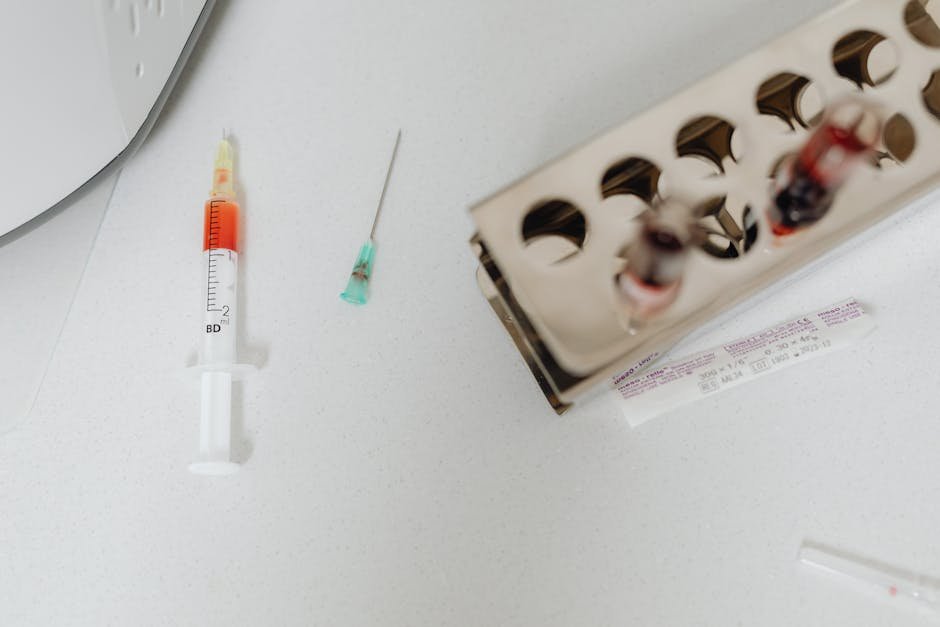
Investigators discovered that used syringes were not being properly disposed of but were instead being washed, re-sterilized (often inadequately), and then reused on multiple patients. This practice was found to be prevalent across several departments, including the pediatric ward, outpatient clinics, and the emergency room. Evidence included discarded, partially cleaned syringes, a lack of proper sterilization equipment, and a severe shortage of new, single-use syringes. Hospital staff, under anonymity, reported pressure from management to conserve supplies, leading to the dangerous practice.
Arrests and Initial Charges
Following the report's release, authorities moved swiftly. The medical superintendent of Al-Shifa General Hospital, along with several doctors, nurses, and paramedical staff, were arrested. Initial charges included criminal negligence, endangering public health, and violations of medical ethics. The hospital's license was immediately suspended, and its operations were halted pending further investigation and potential permanent closure. The government vowed to prosecute all individuals found responsible to the fullest extent of the law, signaling a zero-tolerance policy for such egregious medical misconduct.
Mandatory Single-Use Syringes and Policy Changes
In response to the crisis, the Sindh provincial government announced immediate and sweeping policy changes. A directive was issued mandating the exclusive use of auto-disable (AD) syringes across all public and private healthcare facilities in the province. These syringes are designed to lock automatically after a single use, preventing reuse. Furthermore, strict protocols for medical waste disposal were reinforced, with increased funding allocated for incinerators and proper waste management systems. Health officials launched an urgent campaign to audit all healthcare facilities in the province, ensuring compliance with new safety standards and identifying other potential hotspots of unsafe practices.
Impact: A Generation Scarred and Trust Eroded
The human cost of this medical negligence is immeasurable, profoundly affecting the 331 children diagnosed with HIV, their families, and the broader community. The incident has not only inflicted physical suffering but has also caused deep psychological trauma and eroded public trust in the healthcare system.
The Plight of Affected Children
For the 331 children, ranging from infants to pre-teens, the diagnosis of HIV marks a lifelong challenge. Many of these children are now facing a future of chronic medication, regular medical check-ups, and the potential for opportunistic infections. The emotional toll on these young lives, often too young to comprehend their condition, is immense. Their physical development may be impacted, and their ability to lead normal lives could be compromised without consistent access to treatment and support. The government has pledged to provide free antiretroviral therapy (ART) and comprehensive medical care, but the long-term prognosis for many remains uncertain, particularly in a region with limited specialist care.
Societal Stigma and Economic Burden
The families of the affected children are grappling with an overwhelming burden. Beyond the emotional distress of their children's diagnosis, they face significant financial strain due to travel costs for medical appointments, dietary requirements, and potential loss of income for parents needing to care for their sick children. Compounding these challenges is the pervasive social stigma associated with HIV/AIDS in conservative societies. Many families fear ostracization from their communities, impacting their children's ability to attend school, play with peers, and integrate fully into society. This stigma can lead to isolation, discrimination, and further psychological distress for both the children and their caregivers.
The broader community in Mirpur Khas and surrounding areas has been gripped by fear and anger. Parents are now hesitant to take their children to local hospitals or clinics, even for routine vaccinations or minor ailments, fearing similar contamination. This widespread distrust threatens to undermine public health initiatives and exacerbate other health issues as people avoid necessary medical care. The incident has also cast a shadow over the reputation of healthcare professionals in the region, many of whom are dedicated and ethical practitioners.
What Next: Rebuilding, Reforming, and Preventing Recurrence
The path forward requires a multi-pronged approach encompassing legal accountability, systemic healthcare reforms, victim support, and robust prevention strategies. The government, along with international partners, faces the monumental task of rebuilding trust and ensuring such a tragedy never recurs.
Ongoing Investigations and Legal Proceedings
The initial arrests are just the beginning. Investigations are expected to broaden, potentially identifying more individuals involved in the unsafe practices and scrutinizing the chain of command that allowed such negligence to persist. The legal proceedings against the arrested hospital staff will be closely watched, serving as a critical test of the justice system's ability to hold medical professionals accountable for gross misconduct. These cases could set precedents for future enforcement of healthcare regulations.
Long-Term Healthcare Reforms
The provincial and federal governments are under immense pressure to implement comprehensive healthcare reforms. This includes significantly increasing the healthcare budget, particularly for public hospitals in underserved regions. Reforms must focus on improving infrastructure, ensuring a consistent supply of essential medical equipment (including single-use syringes), and upgrading sterilization facilities. A critical component will be the robust training and continuous professional development of all healthcare workers, emphasizing infection control, medical ethics, and patient safety.
Furthermore, a complete overhaul of the regulatory framework for private clinics and medical practitioners is essential. This would involve stricter licensing requirements, regular inspections, and punitive measures for non-compliance. Establishing a transparent and accessible grievance redressal mechanism for patients will also be vital in empowering communities to report unsafe practices without fear.
Victim Support and Rehabilitation
Beyond providing free ART, the government and NGOs must establish comprehensive support programs for the affected children and their families. This includes nutritional support, psychological counseling to address trauma and stigma, and educational assistance to ensure children can continue their schooling. Advocacy efforts are needed to combat social stigma and promote understanding within communities, fostering an environment of acceptance and support for those living with HIV. Long-term monitoring of the children's health and development will be crucial to ensure they receive ongoing care and support throughout their lives.
International Collaboration and Public Health Initiatives
International health organizations, such as WHO and UNICEF, are expected to continue providing technical assistance, financial aid, and expertise in strengthening Pakistan's public health infrastructure. This collaboration can help implement best practices in disease surveillance, outbreak response, and health education. Public health campaigns focusing on safe injection practices, the importance of using new syringes, and dispelling myths about HIV transmission are vital to educate the populace and prevent future outbreaks. These campaigns should be culturally sensitive and delivered in local languages to maximize reach and impact.
The tragedy at Al-Shifa General Hospital serves as a stark reminder of the devastating consequences of medical negligence and systemic failures. While the immediate focus is on caring for the affected children and holding those responsible accountable, the long-term challenge lies in fundamentally transforming Pakistan's healthcare system to ensure safety, quality, and equitable access for all its citizens.