Israeli forces have successfully captured the strategically vital Qalaat al-Amal castle in southern Lebanon, following several days of intense fighting. The seizure occurred on the morning of October 27, despite an internationally brokered ceasefire agreement that had been in effect for less than 48 hours. This development marks a significant shift in the ongoing regional conflict, raising concerns about wider escalation.
Background
The recent capture of Qalaat al-Amal is rooted in a long history of territorial disputes and intermittent conflict between Israel and Lebanon, particularly involving non-state actors operating within Lebanese territory. The region south of the Litani River has been a flashpoint for decades, characterized by cross-border skirmishes, military operations, and complex geopolitical maneuvering. Previous major confrontations, such as those in 1982, 1996, and 2006, have consistently highlighted the strategic importance of high ground and fortified positions along the border. These conflicts have often been triggered by perceived provocations or attempts to establish zones of influence.
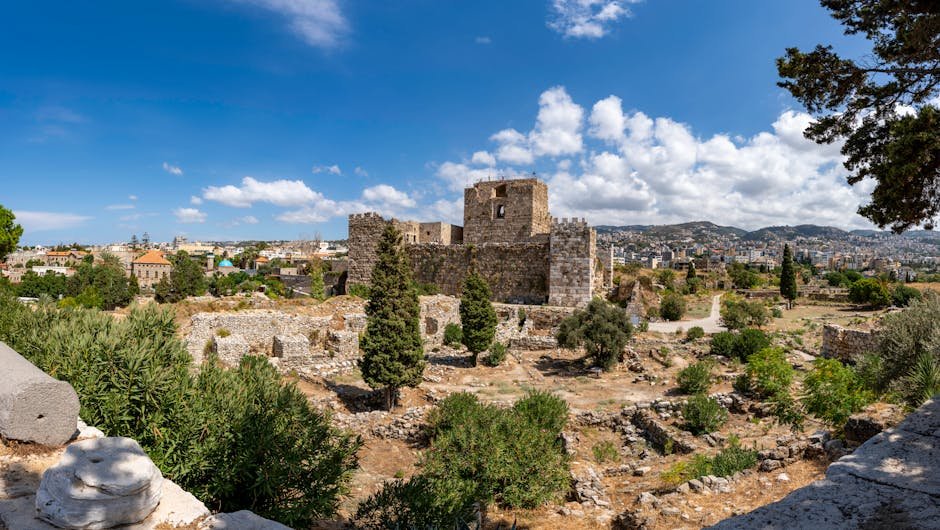
Qalaat al-Amal, meaning "Castle of Hope" or "Castle of Work," is an ancient fortification situated on a commanding ridge overlooking the Maroun al-Ras valley, approximately three kilometers north of the internationally recognized Blue Line. Its elevated position provides an unparalleled panoramic view of a significant portion of the northern Israeli Galilee region and extends deep into southern Lebanon, including key transportation arteries and potential staging areas. For years, intelligence reports indicated the castle and its surrounding network of caves and tunnels had been repurposed by various militant groups, primarily Hezbollah, as a sophisticated command and control center, observation post, and forward defensive position. Its control offered significant tactical advantages, including early warning capabilities, artillery spotting, and the ability to interdict movement across the rugged terrain.
The current escalation began three weeks prior to the castle's capture, following a series of cross-border rocket attacks originating from southern Lebanon, which Israel attributed to Hezbollah. These attacks prompted retaliatory Israeli airstrikes targeting suspected militant infrastructure. Initial ground incursions by Israeli infantry units met stiff resistance, particularly in the vicinity of border towns and fortified positions. Diplomatic efforts, spearheaded by the United Nations and several European nations, intensified over the past week, culminating in a fragile ceasefire agreement announced on October 25. The agreement called for an immediate cessation of hostilities and a return to positions held prior to the escalation, with a view towards de-escalation and renewed peace talks. However, the fighting around Qalaat al-Amal continued, albeit at a reduced intensity, until its final capture.
Key Developments
The push for Qalaat al-Amal intensified significantly over the past five days, even as international efforts sought to solidify the ceasefire. Israeli military sources reported that the castle became the primary objective after intelligence indicated its critical role in coordinating persistent rocket fire and drone incursions into northern Israel. The initial phase of the assault, beginning on October 22, involved heavy preparatory artillery barrages and precision airstrikes targeting known enemy positions within and around the ancient structure. These strikes aimed to soften defenses and disrupt communication lines.
Despite the ceasefire declaration on October 25, which was largely observed in other sectors of the border, fighting around Qalaat al-Amal escalated dramatically. Israeli Defense Forces (IDF) units, primarily elements of the Golani Brigade and engineering corps, launched a multi-pronged ground assault. They faced entrenched resistance from Hezbollah fighters, who utilized the castle’s thick stone walls, subterranean passages, and surrounding natural caves for cover and counter-attacks. The terrain, characterized by steep inclines and rocky outcrops, made the advance challenging, limiting the effectiveness of armored support in some areas.
Over the next 48 hours, fierce close-quarters combat ensued. IDF special forces reportedly spearheaded infiltration attempts under the cover of darkness, aiming to neutralize key defensive points and breach the castle's perimeter. Hezbollah fighters reportedly employed anti-tank guided missiles, sniper fire, and improvised explosive devices (IEDs) to slow the Israeli advance. Several attempts by Israeli units to establish a foothold on the castle's outer walls were repelled, resulting in casualties on both sides. Medical evacuation teams operated under constant threat, retrieving wounded soldiers from the front lines.
The decisive breakthrough came on the morning of October 27. Following a concentrated overnight bombardment targeting the castle's eastern flank, IDF combat engineers successfully breached a section of the outer wall, creating an entry point for infantry. Simultaneously, a separate unit secured a strategic observation post on an adjacent hill, providing critical overwatch and suppressing fire. After several hours of intense fighting within the castle grounds, including room-to-room clearing operations, Israeli forces declared full control of Qalaat al-Amal by 08:30 AM local time. Israeli military spokespersons stated that the operation was necessitated by continued hostile fire originating from the castle area, which they asserted constituted a direct violation of the ceasefire by Hezbollah. Hezbollah, in turn, accused Israel of initiating the final assault and violating the truce.
Preliminary reports from the IDF indicate that significant caches of weaponry, including rockets, mortars, and communication equipment, were discovered within the castle's complex. Satellite imagery released by independent analysts showed extensive damage to parts of the ancient structure, particularly the eastern and northern sections. International observers from the UN Interim Force in Lebanon (UNIFIL) have confirmed the Israeli presence at the castle but have refrained from commenting on the ceasefire violation, urging all parties to exercise maximum restraint and return to the terms of the agreement.
Impact
The capture of Qalaat al-Amal carries profound implications across military, political, humanitarian, and economic spheres, reshaping the immediate dynamics of the conflict and influencing long-term regional stability.
Military Implications
Militarily, the seizure of Qalaat al-Amal represents a significant tactical victory for Israel. The castle's elevated position provides the IDF with a dominant observation point over a critical sector of the border, enhancing intelligence gathering capabilities and offering superior control over the Litani River valley and key supply routes into southern Lebanon. This could severely hamper future cross-border incursions or rocket launches by Hezbollah and other militant groups. The loss of such a vital command and control center will force Hezbollah to re-evaluate and reconfigure its defensive and offensive strategies in the area, likely pushing its operations further north or into less advantageous terrain. The capture also demonstrates the IDF's capacity for sustained ground operations against fortified positions, potentially bolstering its deterrence posture. However, it also stretches Israeli forces deeper into Lebanese territory, potentially increasing their vulnerability to guerrilla tactics and counter-attacks.
Political Ramifications
Politically, the capture has ignited a firestorm of international condemnation and regional outrage. Lebanon's caretaker government swiftly denounced the action as a flagrant violation of its sovereignty and the recently brokered ceasefire, calling for immediate international intervention. Hezbollah has vowed retaliation, further complicating any prospects for de-escalation. The incident places significant strain on the already fragile diplomatic efforts to establish a lasting peace, potentially undermining the credibility of international mediators, including the UN and the United States. Within Israel, the operation is likely to be framed as a necessary security measure, potentially boosting the government's standing domestically, but it risks isolating Israel further on the international stage. Regional actors, particularly Iran, a key patron of Hezbollah, are expected to voice strong opposition, while Arab states with nascent normalization ties with Israel may find themselves in a difficult diplomatic position. The long-term implications for the Blue Line demarcation and the future of UNIFIL's mandate are also uncertain.
Humanitarian Concerns
The renewed fighting and the deep incursion have exacerbated humanitarian concerns in southern Lebanon. Already, hundreds of families from villages surrounding Maroun al-Ras and other border areas had been displaced by earlier exchanges of fire. The capture of Qalaat al-Amal could trigger a new wave of displacement as residents fear further escalation or prolonged Israeli occupation. Access for humanitarian aid organizations has become severely restricted due to ongoing security concerns and damaged infrastructure. There are growing worries about the availability of essential services, including medical care and clean water, for the affected civilian population. The destruction of civilian infrastructure, even if collateral, will add to the already dire economic situation in Lebanon, a country grappling with a severe financial crisis. Aid agencies are calling for immediate humanitarian corridors and guarantees of safe passage for aid workers.
Economic Consequences
Economically, the conflict's intensification and the castle's capture portend negative consequences for both Israel and Lebanon. For Lebanon, the damage to infrastructure, the disruption of agricultural activity in border regions, and the potential for a prolonged security crisis will further cripple its already collapsing economy. The tourism sector, a vital source of revenue, will be severely impacted. For Israel, the ongoing conflict necessitates significant military expenditure, impacts border communities, and could deter foreign investment. Shipping routes in the Eastern Mediterranean could face increased risks, potentially affecting regional trade. The costs of reconstruction, should a resolution eventually be reached, will be substantial, placing an additional burden on international donors already fatigued by multiple global crises.
What Next
The immediate aftermath of Qalaat al-Amal's capture is fraught with uncertainty, with both military and diplomatic fronts poised for critical developments.
Immediate Future
In the immediate future, Israeli forces are expected to consolidate their control over Qalaat al-Amal. This will involve establishing robust defensive positions, clearing any remaining threats, and conducting detailed intelligence gathering within the castle complex. The IDF is likely to fortify the position, potentially deploying advanced surveillance equipment to leverage its strategic advantage. Hezbollah, meanwhile, is anticipated to conduct reconnaissance and plan potential counter-operations. This could include targeted rocket attacks, drone strikes, or attempts to harass Israeli forces at the castle. The risk of localized skirmishes and retaliatory actions remains extremely high. Humanitarian organizations will continue to press for access to affected areas, and UNIFIL will likely increase its patrols in other sectors to prevent further breaches of the Blue Line.
Diplomatic Efforts
Diplomatic efforts are now in a critical state. The UN Security Council is expected to convene an emergency session to address the ceasefire violation and the escalating situation. Calls for a new, more robust ceasefire agreement, potentially backed by stricter enforcement mechanisms, are anticipated. International mediators, including the United States, France, and Egypt, will likely intensify their engagement with both Israeli and Lebanese officials, seeking to de-escalate tensions and prevent a wider regional conflict. However, the trust between the parties has been severely eroded, making immediate progress challenging. The focus will be on securing a renewed commitment to a cessation of hostilities and creating conditions for the withdrawal of Israeli forces from Lebanese territory, possibly under UN supervision.
Long-term Outlook
The long-term outlook remains highly precarious. The capture of Qalaat al-Amal could fundamentally alter the security landscape of southern Lebanon, establishing a new reality on the ground that could be difficult to reverse. This could lead to protracted negotiations over the castle's future status, potentially becoming a significant sticking point in any future peace talks. The incident also raises questions about the effectiveness of international peacekeeping forces and the viability of existing ceasefire mechanisms. Depending on how the situation evolves, the region could face either a prolonged period of low-intensity conflict or a full-scale war. The role of external actors, particularly Iran and the United States, will be crucial in shaping the trajectory of the conflict. Ultimately, the future of regional security and the prospects for lasting peace hinge on the ability of all parties to exercise restraint, adhere to international law, and prioritize diplomatic solutions over military confrontation.