On August 12, 2026, a spectacular total solar eclipse will sweep across parts of the Northern Hemisphere, offering a rare celestial event for millions. This highly anticipated astronomical phenomenon will cast its shadow over Greenland, Iceland, and Spain, providing prime viewing opportunities for observers in these regions. Anticipation is building for what promises to be one of the most significant space events of the decade, drawing scientists, tourists, and sky-gazers from around the globe.
Background: Understanding Total Solar Eclipses
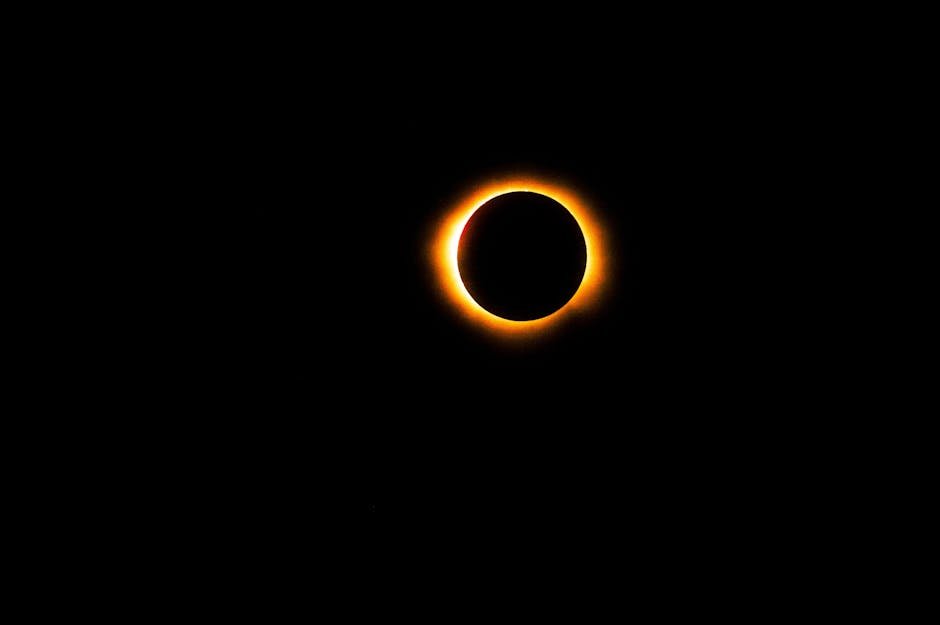
A total solar eclipse occurs when the Moon passes directly between the Sun and Earth, completely obscuring the Sun's face. This alignment casts a narrow shadow, known as the path of totality, onto Earth's surface. Within this path, day turns to twilight, the Sun's magnificent corona becomes visible, and temperatures may drop noticeably. It is a moment of profound astronomical beauty and a unique opportunity for scientific observation.
The rarity of a total solar eclipse at any given location makes the 2026 event particularly special. While partial solar eclipses are more common, the precise alignment required for totality means that any single spot on Earth experiences a total solar eclipse only once every few centuries on average. The August 2026 eclipse will be the first total solar eclipse visible from mainland Europe since 1999, making it a significant event for the continent.
Historically, solar eclipses have captivated humanity, inspiring myths, scientific discoveries, and cultural events. Ancient civilizations often viewed eclipses with awe or trepidation, interpreting them as omens or divine interventions. Over centuries, scientific understanding evolved, transforming these events into predictable celestial mechanics. Modern astronomy uses eclipses to study the Sun's corona, a region typically obscured by the Sun's bright disk, offering insights into solar physics, space weather, and fundamental aspects of our star.
Distinction from other eclipse types is crucial. An annular solar eclipse occurs when the Moon is farther from Earth in its elliptical orbit, appearing smaller than the Sun and creating a "ring of fire" effect. A partial solar eclipse happens when the Moon only covers a portion of the Sun. Only during a total solar eclipse does the full glory of the corona become visible, making it the most sought-after type of solar eclipse. The Moon's orbital mechanics, its varying distance from Earth, and the precise alignment with the Sun are all factors determining the type and duration of an eclipse.
Eclipses follow predictable patterns known as Saros cycles, which are periods of approximately 18 years, 11 days, and 8 hours after which the Sun, Earth, and Moon return to approximately the same relative geometry. This allows astronomers to forecast eclipses centuries in advance, providing ample time for planning scientific expeditions and public viewing events. The 2026 eclipse is part of a larger, ongoing cycle, underscoring the clockwork precision of our solar system.
The Path of Totality: Where to Witness the Spectacle
The path of totality for the August 12, 2026, total solar eclipse will begin in the Arctic, sweep across the vast icy landscapes of Greenland, traverse the volcanic terrain of Iceland, and conclude over the Iberian Peninsula in Spain, including the Balearic Islands. Each of these locations offers unique viewing experiences and logistical considerations.
Greenland: The Northern Frontier
The eclipse path first touches land on the west coast of Greenland, specifically around the Disko Bay area and extending southwards. Cities like Nuuk, the capital, will experience totality, though the duration will be relatively short compared to later points in the path. Nuuk is expected to see totality lasting for approximately 2 minutes and 17 seconds. Other western coastal settlements, such as Ilulissat and Sisimiut, will also be within the path.
Viewing in Greenland presents significant challenges and rewards. The Arctic landscape offers a dramatic backdrop, with icebergs and glaciers potentially enhancing the visual spectacle. However, weather conditions in August can be unpredictable, with possibilities of cloud cover. Logistically, Greenland is remote with limited infrastructure. Travel will likely involve specialized cruise ships or chartered flights, with accommodation options being scarce and expensive. Early booking for any expedition to Greenland is paramount due to its limited capacity.
Iceland: Island Nation in the Path
Following Greenland, the eclipse path crosses the entire island of Iceland, making it an exceptionally accessible location for many European and North American travelers. The capital city, Reykjavík, lies directly within the path of totality, promising a significant influx of visitors. The duration of totality in Iceland will vary but will generally be around 2 minutes and 15 seconds to 2 minutes and 18 seconds. For instance, Reykjavík will experience totality for approximately 2 minutes and 17 seconds.
Key viewing locations in Iceland include the Reykjanes Peninsula, home to the Blue Lagoon and Keflavík International Airport, and the Snaefellsnes Peninsula, known for its dramatic landscapes. The entire south and west coasts, including popular tourist areas, will be plunged into darkness. While August is generally one of Iceland's milder months, cloud cover remains a significant concern, making mobility and flexible viewing plans advisable. Iceland boasts a well-developed tourism infrastructure, but the sheer volume of anticipated visitors will strain hotels, car rentals, and transport networks. Booking accommodations and travel arrangements well in advance is critical. Many tour operators are already planning specific eclipse-viewing excursions.
Spain: Europe’s Prime Viewing Destination
Spain will be the most populated and logistically accessible country in the path of totality, making it a major draw for eclipse chasers. The eclipse will enter Spain over the northwest region of Galicia, sweeping southeast across the Iberian Peninsula and eventually over the Balearic Islands. Totality durations in Spain will range from approximately 1 minute and 45 seconds in the northwest to over 2 minutes and 18 seconds in some eastern parts and the Balearic Islands.
Major cities and regions that will experience totality include: * Galicia: Coastal areas and inland cities like A Coruña and Lugo.
* Asturias: Oviedo and Gijón will be in the path.
* Cantabria: Santander will experience totality.
* Castilla y León: Cities such as León, Valladolid, and Burgos will witness the event.
* Aragón: Zaragoza is on the northern edge of the path, with southern areas experiencing totality.
* Catalonia: Barcelona is just outside the path, but areas to its south and west will be within it.
* Valencia: The city of Valencia will be directly in the path, offering a substantial duration of totality.
* Balearic Islands: Palma de Mallorca will experience a significant duration of totality, making it a highly desirable viewing location.
Spain's extensive road network, high-speed rail, and numerous airports provide excellent accessibility. August in Spain is typically hot and dry, especially in the interior, offering a higher probability of clear skies compared to Iceland or Greenland. However, coastal areas can experience sea mists or cloud formations. The economic impact on these regions is expected to be substantial, with hotels, restaurants, and local businesses preparing for an unprecedented surge in tourism.
Partial Eclipse Zones
Beyond the narrow path of totality, a much wider area will experience a partial solar eclipse. This includes most of Europe, parts of North America (particularly the northeastern regions), and North Africa. While not as dramatic as totality, a partial eclipse is still a significant astronomical event, but it requires continuous use of certified solar filters for safe viewing. Even a small sliver of the Sun's disk can cause permanent eye damage if viewed directly without protection. Public awareness campaigns will be crucial in these regions to emphasize safe viewing practices.
Key Preparations and Scientific Endeavors
The 2026 total solar eclipse is not just a visual spectacle; it is a major logistical challenge and a profound scientific opportunity. Extensive preparations are underway across the affected regions and within the scientific community.
Travel and Accommodation Logistics
For anyone planning to witness the totality, early planning is non-negotiable. Accommodation in prime viewing locations in Iceland and Spain, particularly in major cities or scenic spots, is already being booked up. Hotels, guesthouses, and even camping sites are expected to reach full capacity months in advance. Air travel to these regions, especially to Iceland and key Spanish airports, will also see increased demand and potentially higher prices.
Specialized tour operators are already offering packages that combine eclipse viewing with local sightseeing. These tours often include transport, accommodation, and guidance on optimal viewing spots. However, independent travelers should secure their arrangements as soon as possible. The impact on local economies in these areas will be significant, with a surge in revenue for hospitality, transportation, and retail sectors. Local authorities are also planning for increased traffic congestion and ensuring adequate public services.
Essential Safety Guidelines for Viewing
The paramount concern for any solar eclipse is eye safety. Looking directly at the Sun, even for a brief moment, without proper protection can cause severe and permanent eye damage, including blindness. This applies to both total and partial phases of the eclipse.
Certified Solar Filters: The only safe way to look directly at the uneclipsed or partially eclipsed Sun is through special-purpose solar filters, such as "eclipse glasses" or handheld solar viewers, that comply with the ISO 12312-2 international safety standard. These filters are thousands of times darker than regular sunglasses.
* Pinhole Projectors: An excellent and safe indirect viewing method is a pinhole projector. This simple device allows you to project an image of the Sun onto a surface, safely observing the eclipse without looking directly at the Sun.
* Telescopes and Binoculars: Never look through a telescope, binoculars, or any other optical device at the Sun without a certified solar filter specifically designed for that instrument. Placing a solar filter over the eyepiece is NOT safe; the filter must be at the front of the optical device to block the Sun's rays before they enter and concentrate.
* Welding Helmets: Only welding helmets with a shade number of 12 or higher are safe for direct solar viewing. Lower shades are insufficient.
* During Totality: ONLY during the brief period of totality, when the Moon completely covers the Sun's bright face, is it safe to remove solar filters and look directly at the eclipse. As soon as the first hint of the Sun reappears (the "diamond ring" effect), filters must be immediately replaced.
Public information campaigns will be vital in the lead-up to the eclipse to educate the public on these critical safety measures, distributing certified viewing glasses and promoting safe viewing practices.
Scientific Expeditions and Research Opportunities
The 2026 total solar eclipse offers an invaluable opportunity for scientific research, particularly for studying the Sun's corona. The corona, the outermost layer of the Sun's atmosphere, is typically obscured by the overwhelming brightness of the photosphere. During totality, however, it becomes stunningly visible, allowing astronomers to collect data that is difficult or impossible to obtain at any other time.
Researchers will be studying: * Coronal Structure and Dynamics: Observing the intricate streamers, loops, and plumes of the corona to understand its magnetic fields and how energy is transferred within it.
* Solar Wind Origin: The corona is where the solar wind originates, and eclipse observations can provide clues about how this stream of charged particles is accelerated into space.
* Baily's Beads and Diamond Ring: These transient phenomena, occurring just before and after totality, provide precise measurements of the Moon's limb profile and can help refine our understanding of its topography.
* Atmospheric Effects: Scientists will monitor changes in Earth's atmosphere, such as temperature drops, alterations in radio propagation, and even animal behavior, during the eclipse.
Numerous professional astronomical teams from around the world are planning expeditions to Greenland, Iceland, and Spain. These may involve ground-based telescopes, specialized cameras, spectrographs, and even airborne observations from planes to extend the duration of totality or ensure clearer views above potential cloud cover. Citizen scientists will also contribute by documenting the event and participating in coordinated observation projects.
Economic and Societal Impact
The 2026 total solar eclipse is poised to deliver a significant economic and societal impact on the regions within its path, transforming them into temporary hubs of scientific and tourist activity.
Tourism Boom and Local Economies
The sheer allure of a total solar eclipse is a powerful draw for tourists. Iceland and Spain, in particular, are bracing for an unprecedented influx of visitors. Estimates suggest that hundreds of thousands of people, potentially even over a million for Spain, will travel specifically to be within the path of totality. This will translate into a substantial tourism boom, generating significant revenue for local economies.
Hospitality Sector: Hotels, guesthouses, and restaurants will see peak demand. Many establishments are already developing special packages and menus for the event.
* Transportation: Airlines, car rental agencies, and public transport systems will experience increased usage. Local shuttle services and organized bus tours will likely proliferate.
* Retail and Souvenirs: Shops selling eclipse glasses, themed merchandise, and local crafts will benefit.
* Job Creation: The surge in tourism will create temporary jobs in various service sectors, from event staff to additional hospitality workers.
However, this boom also brings challenges. Local infrastructure, including roads, waste management, and emergency services, will be under strain. Authorities are developing crowd control strategies and ensuring adequate resources to handle the increased population.
Educational Outreach and Public Engagement
Beyond the economic benefits, the eclipse serves as an unparalleled opportunity for educational outreach and public engagement in science. Schools, universities, museums, and planetariums in the affected regions and beyond are planning extensive programs.
Workshops and Lectures: Educational institutions will host workshops on eclipse science, safe viewing practices, and the history of astronomy.
* Viewing Parties: Organized public viewing events, often with expert guidance and telescopes equipped with solar filters, will allow large groups to experience the eclipse safely.
* Curriculum Development: Educational materials related to solar eclipses, space science, and physics will be developed and integrated into school curricula.
* Inspiring STEM: Such a visible and dramatic astronomical event has the power to inspire young people to pursue interests in science, technology, engineering, and mathematics (STEM) fields, fostering the next generation of scientists and explorers.
The media will play a crucial role in disseminating information, broadcasting live coverage, and providing expert commentary, further enhancing public awareness and appreciation for astronomy.
Infrastructure and Emergency Services
The influx of visitors will place considerable demands on local infrastructure and emergency services. Cities and towns in the path of totality are developing comprehensive plans to manage the event.
Traffic Management: Expect significant traffic congestion on roads leading to prime viewing areas. Police and local authorities will implement special traffic flow plans, including temporary road closures or one-way systems.
* Public Safety: Emergency medical services, fire departments, and law enforcement agencies will be on high alert, with increased staffing to respond to any incidents. Designated first aid stations will likely be established at major viewing sites.
* Communication Networks: Cellular and internet networks may experience intermittent congestion due to the high volume of users in concentrated areas. Travelers are advised to have offline maps and essential information readily available.
* Waste Management: Increased visitor numbers will generate more waste, requiring enhanced waste collection and recycling efforts.
Coordination between national and local governments, emergency services, and tourism boards is essential to ensure a safe and enjoyable experience for all attendees.
What Comes Next: The Countdown to August 2026
As the August 12, 2026, total solar eclipse draws closer, preparations will intensify, moving from broad planning to detailed execution. The countdown involves a multi-faceted effort from scientific communities, tourism bodies, and local governments.
Ongoing Planning and Updates
In the coming months and year, more precise eclipse maps and timings will be released, incorporating the latest astronomical data. These updates will offer even more granular detail on the path of totality, helping viewers pinpoint optimal locations. Government advisories for travelers will continue to be refined, providing specific guidance on entry requirements, local regulations, and safety protocols for each country in the path. Weather forecasting models will also become increasingly accurate closer to the date, offering crucial information for last-minute viewing site decisions.
Tourism boards in Greenland, Iceland, and Spain will continue to roll out promotional campaigns, highlighting specific events, tour packages, and unique cultural experiences associated with the eclipse. This includes details on special transportation arrangements, designated viewing areas, and local festivals designed to coincide with the celestial event.
Community Events and Public Information Campaigns
Local communities along the path of totality will begin to organize a variety of events, ranging from educational workshops on eclipse science and safe viewing practices to local festivals and celebrations. These events aim to engage both residents and visitors, fostering a sense of community and shared wonder. Public information campaigns, leveraging traditional and social media, will intensify, focusing on the importance of certified eye protection and providing clear instructions on how to obtain it. Schools and libraries will become key distribution points for educational materials and eclipse glasses.
Scientific Community’s Final Preparations
For the scientific community, the period leading up to the eclipse will involve intense final preparations. This includes the deployment of specialized equipment to chosen observation sites, coordination of international research teams, and rigorous testing of instruments. Astronomers will be making final logistical arrangements for their ground-based telescopes, spectrographs, and cameras, ensuring everything is calibrated and ready for the brief moments of totality. For airborne missions, flight plans will be finalized, and crews will undergo specific training.
Post-Eclipse Analysis and Legacy
The work does not end when the Moon's shadow departs. Immediately following the eclipse, the focus will shift to data compilation and analysis. Scientists will spend months, if not years, sifting through the vast amounts of photographic, spectroscopic, and atmospheric data collected. Research papers will be published, contributing new insights to our understanding of the Sun's corona, solar physics, and Earth's atmosphere.
Beyond the scientific findings, the 2026 total solar eclipse will leave a lasting legacy. Educational resources created from the observations will continue to inspire future generations. The event will heighten public awareness of astronomy and the wonders of our universe. For those who witness it, the memory of the Sun's corona blazing in the darkened sky will be an indelible experience, a testament to the predictable and awe-inspiring mechanics of our solar system, and a reminder to look ahead to future eclipses with anticipation.