India's first dedicated 'cow culture' museum is set to open its doors in Mathura, Uttar Pradesh, marking a significant initiative to showcase the multifaceted importance of cows in Indian society. This landmark institution aims to educate visitors on the cultural, economic, religious, and scientific contributions of cows, particularly indigenous breeds, throughout the nation's history and into the present day.
Background: The Enduring Significance of Bovines in India
The veneration of cows in India is deeply rooted in ancient traditions, spanning millennia and influencing religious, social, and economic structures. From the Vedic period, cows have been revered as symbols of wealth, prosperity, and motherhood, often referred to as 'Gau Mata' (Mother Cow). Ancient scriptures, including the Vedas, Upanishads, and Puranas, frequently extol the virtues of cows, associating them with various deities and cosmic principles. The Rig Veda, one of the oldest sacred texts, describes cows as providers of sustenance and symbols of purity.
The historical timeline of cow significance in India is extensive. During the Indus Valley Civilization, archaeological findings suggest the presence and importance of cattle. Later, in the agrarian societies of ancient and medieval India, cows formed the backbone of the rural economy, providing milk, dung for fertilizer and fuel, and oxen for ploughing fields and transportation. Their utility made them indispensable to daily life and agricultural productivity.
The association of cows with Lord Krishna, whose birthplace is Mathura, further elevates their sacred status in the region. Krishna's childhood as a cowherd (Gopala) in Vrindavan and Mathura is central to Vaishnavite traditions, with numerous tales recounting his affectionate interactions with cows and calves. Festivals like Govardhan Puja and Gopashtami are celebrated with great fervor, emphasizing the bond between humans and cows. This deep-seated cultural and religious connection provides a potent backdrop for the museum's location.
In recent decades, there has been a renewed focus on cow protection (gau raksha) and the promotion of indigenous cattle breeds, driven by both cultural sentiments and economic considerations. Government initiatives, such as the Rashtriya Gokul Mission, launched by the Central Government, aim to conserve and develop native bovine breeds, enhance milk production, and promote the use of cow-based products. This contemporary emphasis on indigenous cattle and their products, often termed 'Panchagavya' (a mixture of five cow products: milk, curd, ghee, urine, and dung), underscores a broader movement to revitalize traditional practices and knowledge systems linked to cows. The establishment of this museum is a direct manifestation of these ongoing efforts to institutionalize and disseminate this rich heritage.
Key Developments: Shaping the Museum’s Vision and Exhibits
The conception and development of India's first cow culture museum in Mathura represent a significant undertaking, blending cultural preservation with modern educational approaches. The project, initiated by state and possibly central government bodies in collaboration with local cultural organizations, has involved extensive planning to ensure a comprehensive and engaging visitor experience. While specific cost figures and detailed timelines are often released closer to or during inauguration, the scale of such an endeavor suggests substantial investment in infrastructure and content development.
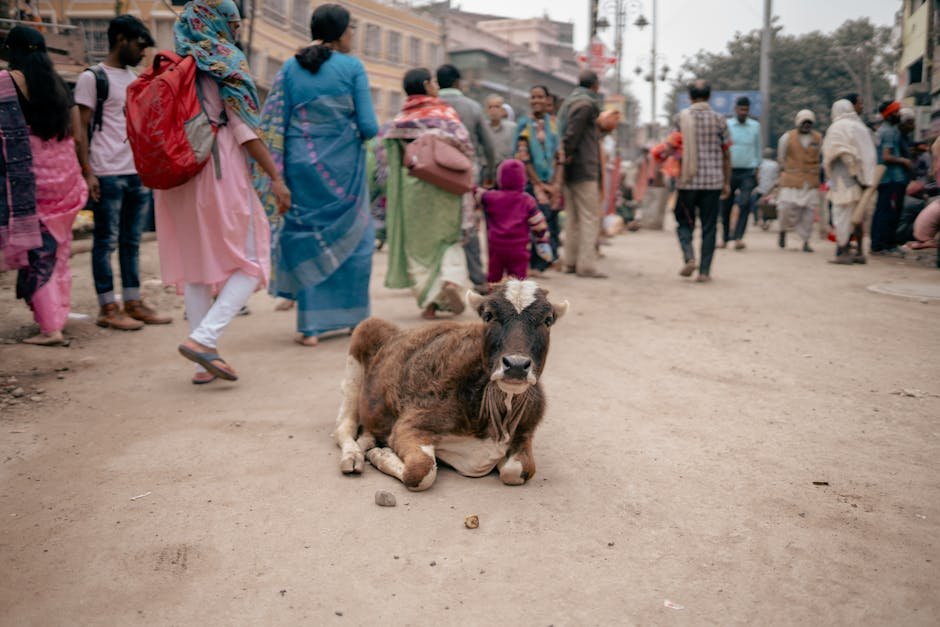
The museum's design philosophy aims to reflect traditional Indian aesthetics while incorporating contemporary exhibition techniques. Architectural elements are expected to draw inspiration from local Mathura-Vrindavan styles, perhaps featuring domes, arches, and intricate carvings that evoke the region's rich heritage. The layout is planned to guide visitors through a chronological and thematic journey, exploring various facets of the cow's role in India.
Several distinct galleries are anticipated to form the core of the museum's exhibits:
Historical and Mythological Gallery
This section will delve into the ancient roots of cow veneration, showcasing artifacts, replicas of ancient scriptures, and artistic representations from the Vedic period, Indus Valley Civilization, and subsequent eras. Interactive displays will narrate mythological tales involving cows, such as Kamadhenu, the divine cow of plenty, and the stories of Lord Krishna’s childhood. Murals and multimedia presentations will bring these narratives to life, illustrating the cow’s presence in folklore, art, and religious rituals across different regions of India.
Economic Contributions Gallery
This gallery will highlight the immense economic impact of cows on India’s agrarian economy. Exhibits will detail the dairy industry, from traditional milk collection and processing methods to modern dairy farming techniques. Information on various indigenous dairy breeds like Gir, Sahiwal, Rathi, and Kankrej, known for their distinct milk qualities and resilience, will be presented. Beyond milk, the section will explore the use of cow dung as a natural fertilizer, a source of biogas for cooking and electricity, and in traditional construction materials. The role of bullocks in farming, transportation, and rural livelihoods will also be prominently featured.
Scientific and Health Aspects Gallery
A dedicated section will focus on the scientific understanding and traditional applications of cow products. This includes the principles behind Panchagavya therapy, an ancient Ayurvedic practice utilizing cow milk, curd, ghee, urine, and dung for medicinal purposes. Exhibits will explain the purported health benefits and traditional preparation methods of these products, while also acknowledging ongoing scientific research into their efficacy. The genetic diversity and unique characteristics of various indigenous cattle breeds, highlighting their adaptability to different climatic conditions and resistance to diseases, will also be a key focus.
Art, Culture, and Festivals Gallery
This vibrant gallery will celebrate the cow’s pervasive influence on Indian art, music, dance, and festivals. Displays will feature traditional paintings, sculptures, and folk art depicting cows, cowherds, and rural life. Information on festivals like Govardhan Puja, Gopashtami, and Pongal (Mattu Pongal) will illustrate the ritualistic and celebratory roles of cows. Multimedia presentations will showcase traditional songs, dances, and theatrical performances that incorporate bovine themes, providing a sensory experience of India’s living cultural heritage.
The museum is expected to incorporate state-of-the-art interactive exhibits, virtual reality experiences, and audio-visual presentations to engage visitors of all ages. Educational workshops, seminars, and documentary screenings on cow-related topics are also planned, aiming to make the museum a dynamic center for learning and cultural exchange. A research wing or library might also be part of the long-term vision, facilitating scholarly work on bovine culture and traditional knowledge.
Impact: A Multifaceted Influence on Society
The establishment of India's first cow culture museum in Mathura is poised to generate a wide-ranging impact, touching upon cultural preservation, economic development, educational outreach, and public awareness. Its presence in a culturally significant location like Mathura amplifies its potential to become a pivotal institution.
Cultural Preservation and Promotion
One of the primary impacts of the museum will be its role in documenting, preserving, and promoting India’s rich bovine heritage. In an era where traditional knowledge often faces the risk of fading, the museum serves as a repository of information, artifacts, and practices related to cows. It will help ensure that future generations understand the profound historical, religious, and social connections Indians have with cows. By showcasing indigenous breeds and their unique characteristics, the museum contributes to the conservation of genetic diversity, a crucial aspect of agricultural biodiversity. It provides a platform for traditional artisans, farmers, and scholars to share their knowledge and skills, fostering a sense of pride in India’s unique cultural identity.
Boost to Tourism and Local Economy
Mathura, already a prominent pilgrimage and tourist destination due to its association with Lord Krishna, stands to benefit significantly from the new museum. The institution will add another compelling attraction, drawing a diverse range of visitors, including cultural tourists, researchers, students, and families. This influx of tourists is expected to stimulate the local economy through increased demand for accommodation, transportation, food services, and local handicrafts. Job creation, both direct (museum staff, guides) and indirect (vendors, service providers), will contribute to the economic well-being of the region. The museum could also serve as a hub for local artisans to showcase and sell cow-based products, further empowering local communities.
Educational and Research Opportunities
The museum will function as an invaluable educational resource. For students of history, anthropology, agriculture, and religious studies, it will offer a tangible learning environment. Educational programs, workshops, and guided tours will enhance understanding of sustainable agriculture, animal husbandry, and traditional Indian sciences. The potential for a dedicated research wing or library within the museum could foster academic inquiry into topics such as the efficacy of Panchagavya, the economic viability of indigenous dairy farming, and the socio-cultural evolution of cow veneration. This intellectual hub can facilitate interdisciplinary studies and contribute to a deeper scientific understanding of traditional practices.
Public Awareness and Advocacy
By presenting comprehensive information about the ecological, economic, and cultural benefits of cows, the museum aims to raise public awareness. It can help bridge the gap between traditional reverence and modern understanding, fostering a more informed perspective on cow protection and welfare. For farmers, it offers insights into best practices for rearing indigenous breeds and utilizing cow products effectively. For the general public, it can highlight the environmental benefits of cow-based agriculture, such as organic farming practices and the production of biogas, thereby promoting sustainable living. The museum’s narrative will likely emphasize the cow not just as a religious symbol, but as a vital component of India’s ecological and economic fabric.
Strengthening Community Identity
For the local community in Mathura and surrounding regions, the museum reinforces their cultural identity and heritage. It celebrates a core aspect of their spiritual and historical landscape, providing a sense of ownership and pride. By engaging local artists, historians, and farmers in its operations and content development, the museum can become a community-driven institution, reflecting the authentic voices and traditions of the region. This localized impact can lead to stronger community bonds and a renewed appreciation for their unique cultural legacy.
What Next: Expected Milestones and Future Trajectories
The opening of India's first cow culture museum in Mathura marks a significant milestone, but it also heralds the beginning of a dynamic journey with several anticipated future developments and long-term aspirations. The initial inauguration, possibly attended by high-ranking government officials and religious leaders, will set the stage for its operational phase and subsequent expansion.
Phased Development and Expansion
It is common for large cultural institutions to undergo phased development. Following its initial opening, the Mathura museum may plan for additional galleries, specialized wings, or outdoor exhibits. This could include a dedicated section on veterinary science relating to indigenous breeds, a demonstration farm showcasing sustainable cow-based agriculture, or an interactive children’s section to engage younger visitors. Future phases might also involve the establishment of a research center focused on cow genomics, traditional cow products, or the socio-economic impact of bovine farming. The development of a digital archive accessible globally would also be a logical next step, extending the museum’s reach beyond its physical location.
Educational Programs and Outreach
A key focus post-inauguration will be the implementation and expansion of educational programs. This includes developing curriculum-aligned content for school visits, organizing workshops for farmers on indigenous cattle management and value-added product creation, and hosting seminars for academics and policymakers. Outreach initiatives could involve mobile exhibitions that travel to rural areas, spreading awareness about the benefits of indigenous breeds and cow-based products. Collaborations with universities, agricultural institutes, and NGOs will be crucial for developing robust and impactful educational modules.
Collaboration and Networking
The museum is likely to forge partnerships with other cultural institutions, both within India and internationally, to share best practices, exchange exhibits, and collaborate on research projects. Networking with national and state-level dairy boards, animal husbandry departments, and organizations dedicated to indigenous breed conservation will be vital for its mission. Such collaborations could lead to joint initiatives for breed improvement, market development for cow-based products, and advocacy for sustainable agricultural policies.
Marketing and Promotion
To attract a diverse visitor base, extensive marketing and promotional campaigns will be essential. This will involve leveraging digital platforms, collaborating with tourism boards, and participating in national and international cultural events. Targeted campaigns for specific audiences, such as pilgrims visiting Mathura, educational institutions, and agricultural communities, will be crucial. The museum’s unique status as India’s first dedicated cow culture institution will be a significant draw, and effective communication of its mission and offerings will be key to its success.
Long-term Vision and Impact Assessment
The long-term vision for the Mathura cow culture museum extends beyond simply attracting visitors. It aims to become a leading center for the study and promotion of bovine culture, contributing to national discourse on sustainable development, cultural heritage, and traditional knowledge systems. Regular impact assessments will be necessary to gauge its effectiveness in achieving its objectives, such as increased awareness about indigenous breeds, growth in cow-based industries, and the preservation of cultural practices. The museum’s success could also inspire the establishment of similar institutions in other parts of India, creating a network of centers dedicated to bovine culture and conservation. Ultimately, it seeks to solidify the cow’s revered and vital position in the Indian consciousness for generations to come.