Zohran Mamdani officially assumed office as the 111th Mayor of New York City, taking his oath of allegiance in a groundbreaking ceremony held at the bustling Grand Central Terminal. The historic event, witnessed by a diverse gathering of city officials, community leaders, and everyday New Yorkers, marked a significant moment for the metropolis as it ushers in a new era of leadership. The choice of the iconic transportation hub underscored the administration's stated commitment to public service, accessibility, and the city's vital infrastructure.
Background: A Progressive Rise to City Hall
Zohran Mamdani's journey to the mayoralty represents a notable shift in New York City's political landscape, culminating in a decisive victory built on a platform of progressive reform and community empowerment. A former State Assemblyman representing Astoria, Queens, Mamdani first gained prominence through his dedicated advocacy for working-class families, tenants' rights, and environmental justice. His legislative record in Albany included championing bills aimed at expanding affordable housing, improving public transportation, and divesting from fossil fuels, earning him a reputation as a vocal and effective proponent of left-leaning policies.
Mamdani's mayoral campaign, launched amidst growing concerns over housing affordability, public safety, and the city's post-pandemic economic recovery, resonated deeply with a broad coalition of voters. He successfully mobilized young activists, labor unions, and diverse community groups, presenting a clear vision for a more equitable and sustainable New York. His campaign strategy emphasized grassroots organizing, direct community engagement, and a robust digital presence, contrasting with more traditional, institutionally backed candidacies.
The Campaign Trail and Key Issues
Throughout the primary and general elections, Mamdani consistently highlighted several core issues. His "Homes for All NYC" plan proposed significant investments in public housing, rent stabilization expansion, and the conversion of underutilized commercial spaces into affordable residential units. On public safety, he advocated for a comprehensive approach that included community-led intervention programs, mental health services, and a reevaluation of policing strategies, rather than solely relying on increased police presence. Environmental sustainability also formed a cornerstone of his platform, with pledges to accelerate the city's transition to renewable energy, enhance green infrastructure, and improve air quality in underserved neighborhoods.
His primary victory, often described as a testament to the growing influence of progressive movements within the Democratic party, propelled him into the general election as a formidable contender. He successfully navigated a competitive field, ultimately securing the mayoralty with a clear mandate for change. Political analysts widely attributed his success to his ability to articulate complex policy solutions in an accessible manner, his consistent focus on issues affecting everyday New Yorkers, and his authentic connection with diverse communities across the five boroughs.
The Significance of Grand Central Terminal
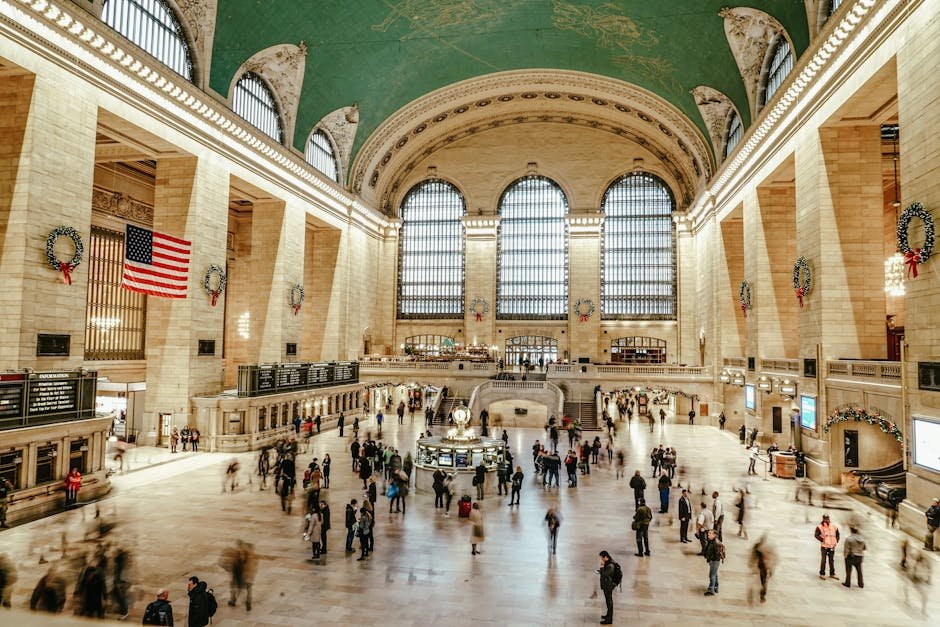
The decision to hold the swearing-in ceremony at Grand Central Terminal was not merely symbolic but deeply strategic. The historic Beaux-Arts station, a nexus of transit for hundreds of thousands of commuters daily, embodies the interconnectedness and dynamism of New York City. It served as a powerful backdrop, emphasizing Mamdani's commitment to public transportation as the lifeblood of the city and his administration's focus on improving the daily lives of residents.
During his campaign, Mamdani frequently used the city's transit system, eschewing private vehicles to connect with voters directly. The ceremony at Grand Central, therefore, reinforced his image as a mayor deeply rooted in the city's public infrastructure and accessible to its citizens. The event aimed to signal a departure from traditional, often exclusive, political ceremonies, opting instead for a public space that reflects the city's diverse and bustling character.
Key Developments: Transition and Inauguration
Following his election victory in November, Mayor-elect Mamdani embarked on an intensive transition period, assembling a diverse team of policy experts, community organizers, and seasoned public servants. This phase was characterized by a deliberate effort to fulfill campaign promises regarding representation and expertise, with an emphasis on appointing individuals from various backgrounds and disciplines relevant to his progressive agenda.
Building the Administration
Key appointments during the transition included the selection of a new Deputy Mayor for Housing and Community Development, tasked with overseeing the ambitious "Homes for All NYC" initiative, and a Commissioner for Public Safety, signaling a shift towards community-centric approaches to crime prevention. Mamdani also announced the creation of a new Office of Climate Resilience and Green Infrastructure, underscoring his administration's commitment to environmental action and preparedness against the impacts of climate change. These early appointments were largely met with approval from his base and progressive advocacy groups, while some business leaders and moderate voices expressed a cautious "wait and see" approach regarding the new administration's impact on the city's economic climate.
The transition team held numerous public forums and listening sessions across the five boroughs, soliciting input from residents on pressing urban challenges. These sessions, designed to foster transparency and direct community participation, informed the initial policy priorities and legislative agenda for the incoming administration. The emphasis was consistently on collaborative governance and bringing diverse voices into the decision-making process.
The Swearing-In Ceremony
The inauguration ceremony on January 1st, held in the iconic Vanderbilt Hall of Grand Central Terminal, was a meticulously planned event designed to be both solemn and celebratory. The atmosphere was vibrant, with New Yorkers from all walks of life gathering to witness the historic moment. The proceedings began with musical performances by local artists, reflecting the city's rich cultural tapestry.
Chief Judge Sarah Jenkins administered the oath of office, with Mamdani placing his hand on a copy of the city charter, a symbolic gesture emphasizing his commitment to upholding the foundational principles of New York City governance. In his inaugural address, Mayor Mamdani reiterated his core campaign promises, emphasizing the urgency of addressing housing insecurity, improving public transit, and fostering a more inclusive economy. He spoke passionately about the need to bridge divides and work collectively to build a "New York for everyone."
He acknowledged the challenges ahead, from fiscal constraints to the complexities of urban governance, but expressed unwavering optimism in the city's resilience and the collective spirit of its residents. The address was punctuated by applause, particularly when he outlined plans for increased investments in public education and mental health services. The ceremony concluded with a call to action for all New Yorkers to participate actively in shaping the city's future, reinforcing his campaign's message of collective responsibility and empowerment. The public nature of the event allowed thousands to participate directly, creating a palpable sense of shared ownership in the new administration.
Impact: A New Direction for New York
Mayor Mamdani's inauguration signals a significant shift in New York City's governance, with potential far-reaching impacts across various sectors and demographics. His progressive platform, centered on equity, sustainability, and community empowerment, is expected to reshape policy priorities and the city's socio-economic landscape.
Housing and Urban Development
One of the most immediate and anticipated impacts is in the realm of housing. Mamdani's "Homes for All NYC" plan aims to aggressively tackle the city's affordability crisis. This includes not only constructing new affordable housing units but also strengthening tenant protections, potentially through expanded rent stabilization measures and anti-harassment ordinances. The administration is expected to prioritize zoning reforms that encourage denser, mixed-income developments, particularly near transit hubs. This approach could lead to a significant increase in housing supply over time, but it may also face resistance from established homeowner groups and developers concerned about regulatory burdens and property values.
Public Transportation and Infrastructure
Given the location of his swearing-in, public transportation is clearly a top priority. Mayor Mamdani has pledged to work closely with the Metropolitan Transportation Authority (MTA) to advocate for increased state and federal funding, aiming to modernize subway and bus systems, expand accessibility, and improve service reliability. His vision includes an accelerated transition to electric buses, enhanced bike lane networks, and a renewed focus on pedestrian safety. These initiatives are expected to benefit daily commuters, reduce traffic congestion, and contribute to the city's climate goals, but will require substantial investment and inter-agency coordination.
Public Safety and Criminal Justice Reform
The new administration is poised to implement a nuanced approach to public safety. While acknowledging the need for effective crime prevention, Mamdani has emphasized diverting resources towards community-based violence interruption programs, mental health services, and addressing the root causes of crime, such as poverty and lack of opportunity. This could lead to a re-evaluation of current policing strategies, potentially impacting police budgets, deployment tactics, and community relations. Supporters anticipate a more equitable justice system, while some critics express concerns about potential impacts on crime rates if traditional enforcement is perceived to be de-emphasized.
Economic Development and Business Environment
Mayor Mamdani's economic policies are expected to focus on fostering inclusive growth. This includes supporting small businesses, particularly those owned by women and minorities, and promoting local hiring initiatives. The administration plans to explore new models for worker cooperatives and provide greater access to capital for community-led enterprises. While these measures aim to create a more equitable economy, the business community will be closely watching for potential changes in taxation, regulatory frameworks, and labor policies, which could influence investment and job creation decisions within the city. There is an expectation of a push for higher minimum wages and stronger worker protections.
Environmental Sustainability and Climate Action
With a dedicated Office of Climate Resilience, New York City under Mamdani is set to intensify its efforts against climate change. This includes accelerating the transition to renewable energy sources for city operations, investing in green infrastructure projects to mitigate flood risks, and implementing stricter emissions standards. These initiatives are expected to improve public health outcomes, create green jobs, and enhance the city's long-term resilience, though they will require significant capital outlays and potential adjustments for industries reliant on fossil fuels.
Symbolic Impact
Beyond policy, Mamdani's mayoralty carries significant symbolic weight. As a progressive leader, his election is seen by many as a mandate for a more inclusive and equitable city. His background and political identity resonate with diverse communities, potentially fostering a greater sense of representation and participation in city governance. His public swearing-in at Grand Central also reinforced a commitment to transparency and accessibility, signaling a more open and engaged relationship between City Hall and its residents.
What Next: The Road Ahead for the Mamdani Administration
As Mayor Zohran Mamdani begins his term, his administration faces a myriad of immediate challenges and long-term objectives that will define his tenure. The initial focus will undoubtedly be on establishing operational efficiency, implementing key campaign promises, and building collaborative relationships with the City Council and state government.
The First 100 Days: Setting the Tone
The "first 100 days" will be critical for the Mamdani administration to demonstrate its capacity for governance and set the tone for its priorities. Expected actions include:
Executive Orders: Issuing executive orders to streamline processes for affordable housing development, establish new community safety task forces, and initiate comprehensive reviews of city agency budgets to identify efficiencies and reallocate resources towards priority areas.
Legislative Push: Working closely with the City Council to introduce and advance legislation aligned with his platform, such as new tenant protection laws, zoning reforms, and measures to expand access to public services. Early legislative victories will be crucial for building momentum.
Budgetary Review: A thorough review of the city's multi-billion dollar budget will be undertaken to align spending with the administration's progressive agenda, potentially reallocating funds from areas like policing towards social services and infrastructure. This will inevitably lead to complex negotiations and potential friction with various stakeholders.
Public Engagement: Continuing the commitment to public engagement through town halls, community forums, and direct outreach to ensure that residents remain informed and involved in policy-making.
Addressing Pressing Urban Challenges
Beyond the initial legislative push, the administration will immediately confront several persistent urban challenges:
Homelessness Crisis: Developing and implementing comprehensive strategies to address the city's growing homelessness crisis, including expanding shelter capacity, increasing access to supportive housing, and improving outreach services for unsheltered individuals.
Economic Recovery: Navigating the ongoing economic recovery from the pandemic, ensuring that growth is equitable and benefits all New Yorkers, particularly those in underserved communities. This includes supporting small businesses and fostering job creation.
Public Health: Continuing to manage public health concerns, including potential future health crises, and ensuring robust access to healthcare services for all residents, regardless of income or immigration status.
Infrastructure Modernization: Initiating long-term plans for the modernization of aging infrastructure, beyond just transit, encompassing water systems, waste management, and public spaces, to ensure the city's resilience and sustainability for decades to come.
Building Coalitions and Navigating Political Realities
Mayor Mamdani will need to skillfully navigate the complex political landscape of New York City. Building strong working relationships with the City Council, whose support is vital for legislative success, will be paramount. Collaboration with state and federal partners will also be essential for securing funding and advancing shared goals, particularly on issues like transit funding and climate initiatives.
His administration is expected to face scrutiny and potential opposition from various interest groups, including real estate developers, some business associations, and segments of the law enforcement community, particularly concerning his policies on housing, regulation, and public safety. Managing these relationships while staying true to his progressive mandate will be a defining aspect of his leadership.
Long-Term Vision: A More Equitable and Sustainable City
Mamdani's long-term vision for New York City is centered on creating a metropolis that is not only dynamic and prosperous but also deeply equitable and environmentally sustainable. This includes:
Transformative Housing Policy: A multi-year commitment to dramatically increase the supply of truly affordable housing and ensure housing stability for all residents.
Green New Deal for NYC: A comprehensive plan to transition the city to 100% renewable energy, enhance climate resilience, and create a green economy that provides well-paying jobs.
Reimagined Public Services: A commitment to robustly funding and reforming public education, health services, and parks, ensuring they serve as pillars of community strength and opportunity.
Participatory Governance: Fostering mechanisms for greater citizen participation in local governance, empowering communities to shape their neighborhoods and city.
The swearing-in of Zohran Mamdani marks the beginning of an ambitious chapter for New York City. His administration's success will hinge on its ability to translate a progressive vision into tangible improvements for the lives of millions, while effectively managing the inherent complexities and challenges of governing one of the world's most diverse and dynamic urban centers.