A recent report by "Health and Me" reveals a concerning statistic: approximately 20 per cent of the Indian population is currently prediabetic. This alarming prevalence highlights a critical public health challenge, prompting urgent discussions on the potential for reversing high blood sugar levels and preventing the progression to Type 2 Diabetes across the nation.
Background: A Looming Health Crisis
Prediabetes is a condition where blood sugar levels are higher than normal but not yet high enough to be diagnosed as Type 2 Diabetes. It represents a crucial window of opportunity for intervention, as individuals with prediabetes are at a significantly elevated risk of developing full-blown Type 2 Diabetes, heart disease, and stroke within five to ten years. The diagnostic criteria for prediabetes typically involve a fasting blood glucose level between 100 and 125 mg/dL, a 2-hour post-glucose value between 140 and 199 mg/dL on an oral glucose tolerance test, or an HbA1c level ranging from 5.7% to 6.4%.
The Rising Tide of Non-Communicable Diseases in India
India has witnessed a dramatic epidemiological transition over the past few decades. Once primarily grappling with infectious diseases, the nation is now contending with a surging burden of non-communicable diseases (NCDs), with diabetes at the forefront. Studies by the Indian Council of Medical Research (ICMR) and data from the National Family Health Survey (NFHS) have consistently shown an upward trend in diabetes prevalence, particularly in urban areas, but increasingly in rural settings as well. This shift is deeply intertwined with rapid urbanization, changing dietary patterns, and increasingly sedentary lifestyles.
Socio-Economic and Lifestyle Drivers
Several factors contribute to India's burgeoning prediabetes and diabetes epidemic. A genetic predisposition among South Asians makes them more susceptible to insulin resistance and abdominal obesity, even at lower Body Mass Index (BMI) levels compared to Caucasians. This genetic vulnerability is exacerbated by environmental and lifestyle changes. The rapid adoption of Westernized diets, characterized by high intake of refined carbohydrates, sugars, and unhealthy fats, coupled with a decline in physical activity due to technological advancements and desk-bound jobs, creates a perfect storm for metabolic dysfunction. Furthermore, stress, inadequate sleep, and increasing pollution levels are also recognized as contributing factors to insulin resistance.
Early Government Initiatives
Recognizing the escalating threat, the Indian government launched the National Programme for Prevention and Control of Cancer, Diabetes, Cardiovascular Diseases & Stroke (NPCDCS) in 2010. This program aimed to integrate NCD prevention and control efforts into the existing healthcare infrastructure, focusing on health promotion, early diagnosis, and management at various levels of care. While these initiatives laid foundational groundwork, the sheer scale of the challenge continues to demand more comprehensive and targeted interventions.
Key Developments: Unpacking the 20% Prediabetes Figure
The "Health and Me" report, building upon a growing body of evidence, provides a stark reminder of the widespread nature of prediabetes in India. This 20% figure signifies that one in five Indians is on the precipice of developing Type 2 Diabetes, representing millions of individuals who could potentially avert the disease with timely and effective interventions.
Demographic and Regional Disparities
The report likely highlights significant variations across different demographics. Urban populations, often exposed to more sedentary lifestyles and readily available processed foods, typically exhibit higher rates of prediabetes compared to their rural counterparts. However, as rural areas undergo development and urbanization, the gap is narrowing. Age is another critical factor, with prevalence generally increasing with age, although a worrying trend of prediabetes emerging in younger adults and even adolescents is becoming apparent. Gender differences may also be noted, with some studies indicating slightly higher rates in men or women depending on the specific region and lifestyle factors. Regions with higher economic development and greater access to processed foods, such as certain states in South and West India, often show higher prevalence rates.
Increased Screening and Awareness
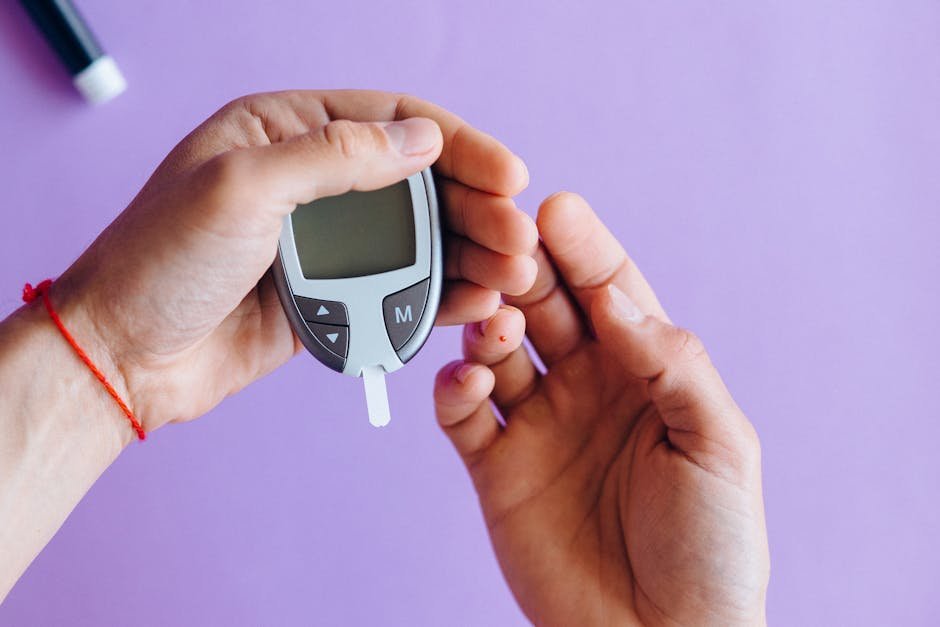
The heightened awareness surrounding NCDs has led to an increase in screening efforts, contributing to the identification of more prediabetic cases. Public health campaigns, corporate wellness programs, and routine health check-ups are increasingly incorporating blood sugar tests. This proactive approach, while revealing a higher prevalence, is crucial for early detection and intervention. Advances in diagnostic tools, including point-of-care testing and more accessible laboratory services, have also made screening more widespread, enabling individuals to understand their risk status sooner.
Focus on Lifestyle Interventions
A significant shift in the medical community's approach to prediabetes management is the emphatic emphasis on lifestyle interventions. Healthcare providers are increasingly counseling patients on the critical role of diet, exercise, and weight management as the first line of defense against the progression to Type 2 Diabetes. This focus reflects a growing understanding that pharmacological interventions alone are often insufficient without concurrent behavioral changes. Digital health platforms and mobile applications are also emerging as tools to support individuals in adopting healthier habits, providing personalized coaching and progress tracking.
Impact: The Broad Repercussions of Prediabetes
The widespread prevalence of prediabetes in India carries profound implications, affecting individuals' health and quality of life, placing immense strain on the healthcare system, and impacting the nation's economic productivity.
Individual Health Risks and Quality of Life
For individuals, a prediabetes diagnosis is a wake-up call. Without intervention, approximately 70% of individuals with prediabetes will eventually develop Type 2 Diabetes. This progression brings with it a host of chronic complications, including cardiovascular diseases (heart attacks, strokes), neuropathy (nerve damage), retinopathy (eye damage leading to blindness), nephropathy (kidney disease), and increased susceptibility to infections. Managing these conditions often requires lifelong medication, dietary restrictions, regular monitoring, and frequent doctor visits, significantly diminishing one's quality of life and imposing a substantial emotional and financial burden. The constant worry about health, the need for vigilance, and the potential for complications can also lead to increased stress, anxiety, and even depression.
Burden on the Healthcare System
The sheer volume of prediabetic individuals, coupled with those already diagnosed with diabetes, places an unprecedented strain on India's healthcare infrastructure. Hospitals, clinics, and primary healthcare centers are overwhelmed by the demand for screening, diagnosis, management, and treatment of complications. The cost of managing diabetes and its associated comorbidities is astronomical, involving expenditures on medications, insulin, diagnostic tests, specialist consultations, hospitalizations for acute events, and long-term care for chronic complications. This financial burden is borne by individuals, families, and the public health system, diverting resources from other essential health services and potentially leading to a crisis in healthcare accessibility and affordability.
Economic and Societal Implications
Beyond individual health, prediabetes and diabetes have significant socio-economic repercussions for the nation. The loss of productivity due to illness, disability, and premature mortality among the workforce can severely hamper economic growth. Individuals with uncontrolled diabetes may experience frequent absenteeism from work, reduced work capacity, and early retirement, leading to decreased income and increased poverty. The nation also bears the cost of lost human potential and reduced economic output. Furthermore, the rising prevalence of NCDs like diabetes among younger populations in India means that a significant portion of the productive workforce is at risk, threatening the demographic dividend that India currently enjoys. Public health campaigns and preventive programs, while essential, also require substantial investment, adding to the fiscal challenges.
What Next: Reversing High Blood Sugar and Future Milestones
The critical question for the 20% of Indians living with prediabetes is whether their condition can be reversed. The answer, unequivocally, is yes, in many cases. Aggressive and sustained lifestyle modifications are the cornerstone of prediabetes reversal, often proving more effective than medication alone.
Strategies for Reversal: The Power of Lifestyle
Reversing prediabetes fundamentally revolves around making sustainable changes to daily habits.
Dietary Modifications
A balanced diet is paramount. This involves significantly reducing the intake of refined carbohydrates (white rice, white bread, sugary drinks, processed snacks), added sugars, and unhealthy fats. Instead, the focus should shift to whole grains (like brown rice, millets such as ragi, jowar, bajra), lean proteins (pulses, lentils, fish, poultry), abundant fruits and vegetables, and healthy fats (nuts, seeds, avocado). Portion control is equally vital. Traditional Indian diets, if prepared with less oil and sugar and more whole foods, can be very beneficial. Emphasizing home-cooked meals over restaurant or processed foods gives individuals greater control over ingredients.
Physical Activity
Regular physical activity is crucial for improving insulin sensitivity and managing weight. Aim for at least 150 minutes of moderate-intensity aerobic exercise per week, such as brisk walking, jogging, cycling, or swimming. Incorporating strength training exercises two to three times a week also helps build muscle mass, which further improves glucose metabolism. Breaking up long periods of sitting with short bursts of activity throughout the day can also make a significant difference.
Weight Management
Even a modest weight loss of 5-7% of initial body weight can significantly reduce the risk of developing Type 2 Diabetes. For a person weighing 70 kg, this could mean losing just 3.5 to 4.9 kg. Weight loss improves insulin sensitivity, reduces inflammation, and lowers blood pressure and cholesterol levels. A combination of dietary changes and increased physical activity is the most effective strategy for sustainable weight loss.
Stress Management and Adequate Sleep
Chronic stress can elevate blood sugar levels by triggering the release of hormones like cortisol. Practicing stress-reduction techniques such as yoga, meditation, deep breathing exercises, and spending time in nature can be beneficial. Similarly, inadequate or poor-quality sleep disrupts hormonal balance, leading to increased insulin resistance. Aim for 7-9 hours of quality sleep per night to support metabolic health.
Medical Interventions and Regular Monitoring
While lifestyle changes are primary, in certain high-risk individuals, particularly those with a very high BMI or a strong family history of diabetes, medication like Metformin might be considered by a physician. However, this is typically an adjunct to, not a replacement for, lifestyle modifications. Regular monitoring of blood sugar levels (HbA1c, fasting glucose) and consistent follow-ups with healthcare providers are essential to track progress and adjust interventions as needed.
Policy and Public Health Initiatives
Looking ahead, several milestones are expected and necessary to combat India's prediabetes crisis:
National Prediabetes Screening and Management Programs
Scaling up national programs to include widespread, affordable, and accessible screening for prediabetes, especially for at-risk populations. These programs should integrate seamlessly with primary healthcare, enabling early detection and referral to lifestyle intervention programs.
Enhanced Health Education Campaigns
Launch targeted, culturally appropriate health education campaigns that promote healthy eating habits, physical activity, and awareness of prediabetes risks from an early age. These campaigns should leverage mass media, digital platforms, and community health workers to reach diverse populations.
Food Environment Reforms
Implement policies that encourage healthier food choices, such as regulating the marketing of unhealthy foods, promoting clear nutritional labeling, reducing taxes on healthy foods, and incentivizing the availability of fresh produce and whole grains in urban and rural markets. Initiatives to reduce trans-fats and excessive sugar in processed foods are also crucial.
Training for Healthcare Professionals
Invest in training and sensitizing healthcare professionals, including doctors, nurses, and community health workers, on comprehensive prediabetes management, including effective counseling techniques for lifestyle modifications and motivational interviewing.
Research and Innovation
Support research into personalized interventions for prediabetes, including genetic and epigenetic factors, and develop innovative, cost-effective diagnostic tools and digital health solutions tailored to the Indian context.
The Role of Technology and Community
Digital health platforms, wearable devices, and telemedicine offer promising avenues for remote monitoring, personalized coaching, and extending the reach of prediabetes management programs, especially in remote areas. Community involvement, through local self-help groups, NGOs, and community leaders, is vital for disseminating health information, creating supportive environments for healthy living, and fostering collective action against the prediabetes epidemic.
The alarming statistic of 20% Indians being prediabetic serves as a powerful call to action. While the challenge is immense, the potential for reversal through concerted individual and collective efforts offers a beacon of hope. By prioritizing lifestyle changes, bolstering public health initiatives, and leveraging technological advancements, India can turn the tide against prediabetes and safeguard the health of its future generations.